 YIVAHUB
Container Loading Log: Four Nights, June 2026
SR-2026-L01 – L04 · Loading records · Guangdong consolidation warehouse
The receiving records on this site show what came in. This is what went out: four loads photographed at our consolidation warehouse in June 2026, from the first cartons through the doorway to the doors closed and the box sealed.
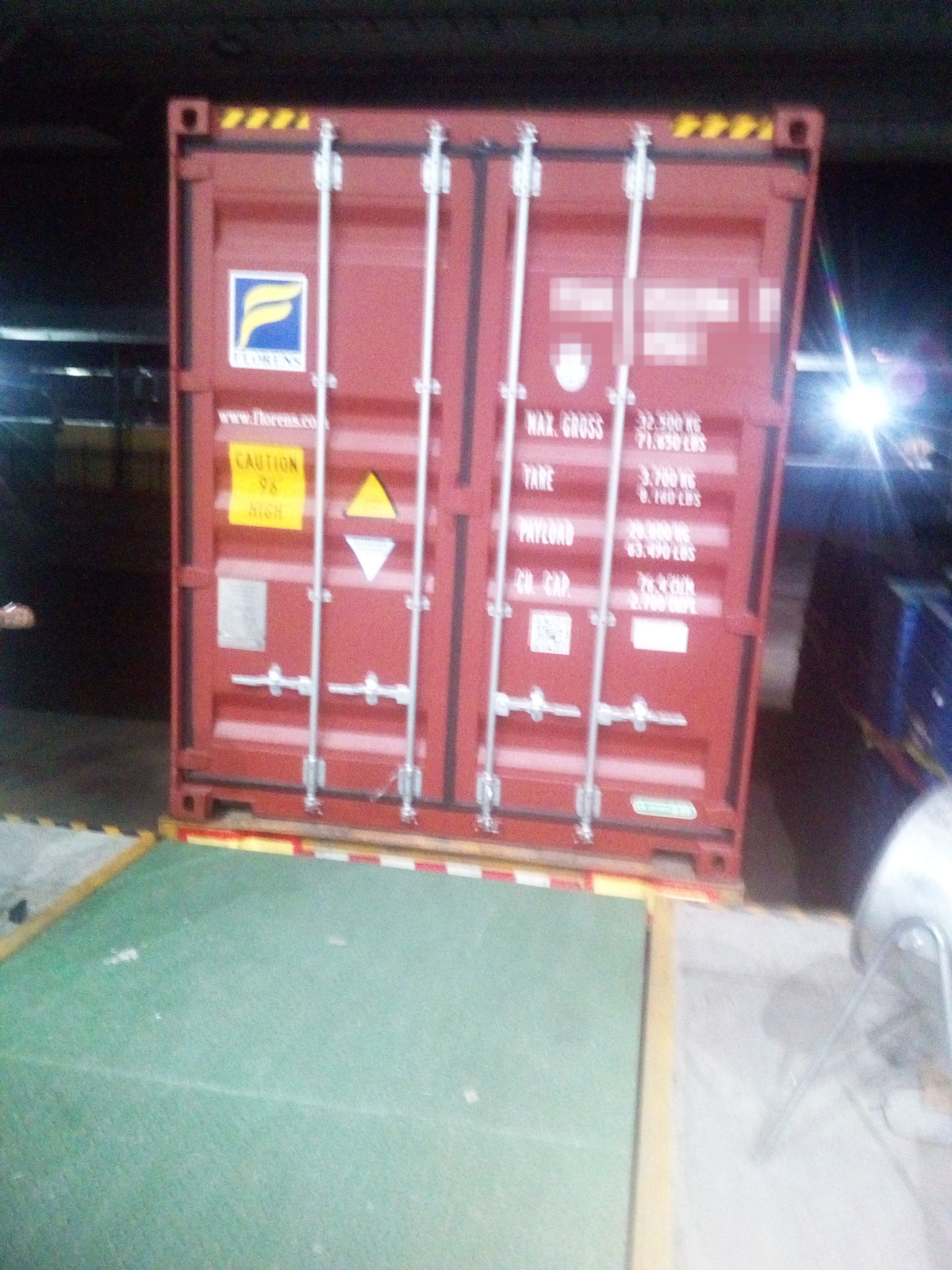
Loading times are the capture times from the original photographs. Container numbers, box codes and supplier marks are masked; the capacity plate and handling marks are left legible, because they are generic container data rather than anyone's identity.
Why the loads run at night
Consolidation follows the suppliers' delivery schedule, not our office hours. Cartons arrive through the day from several factories in the belt, they are counted and checked against their own packing lists, and the container is loaded once everything that belongs in it has landed. When a supplier's truck is late the load runs late — and a box that misses the sailing costs the client a month, so it goes in at midnight rather than in the morning.
Four nights across June is an ordinary month. Some of these are a single photograph; one night carries three, of the same box at different stages. The photographs are published in the order they were taken, grouped by the night they belong to.
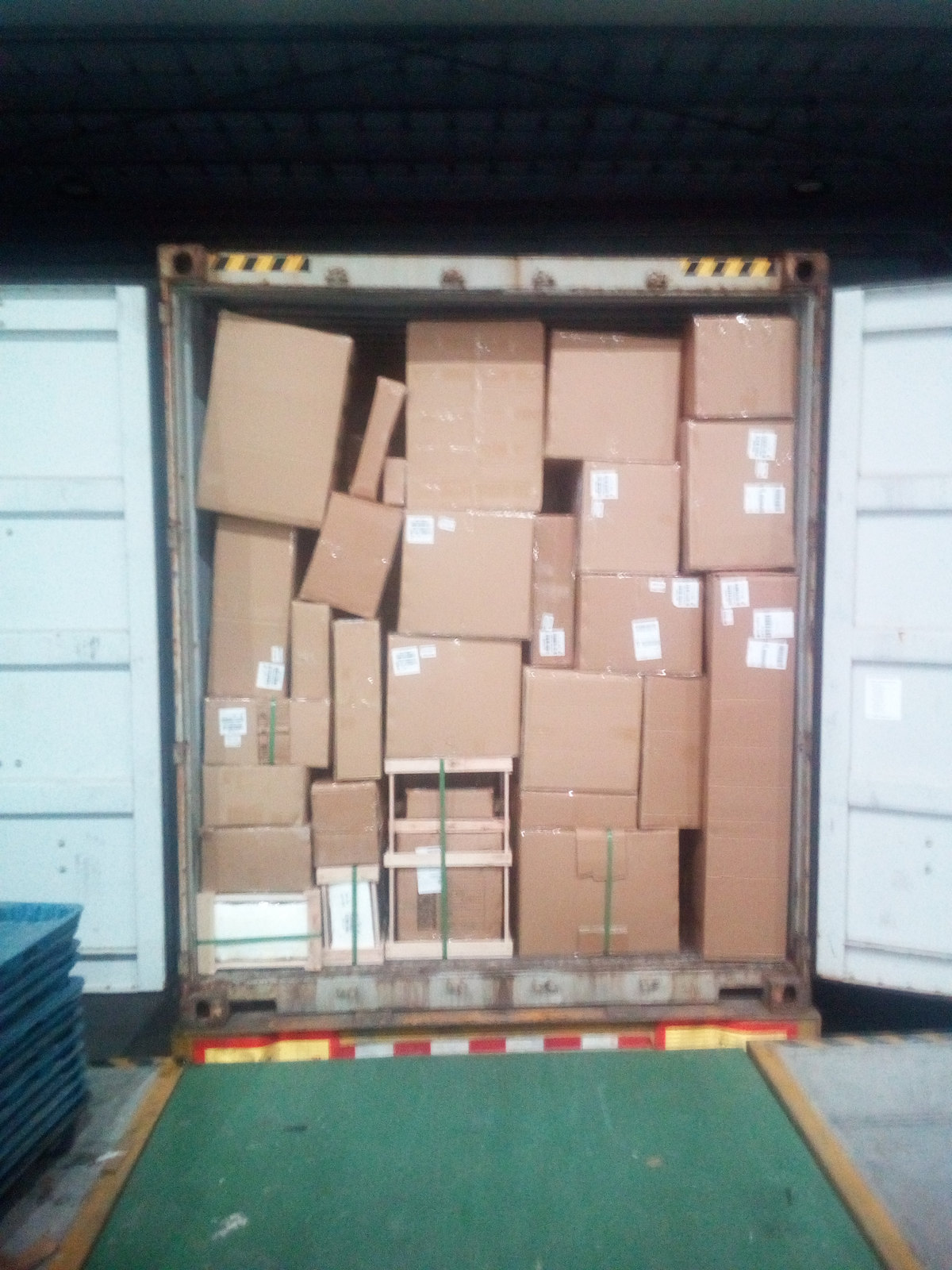
SR-2026-L01 · 3 June 202623:54
A box loaded close to the top of the door opening, cartons of several sizes, flat-packed panels standing upright at the front.
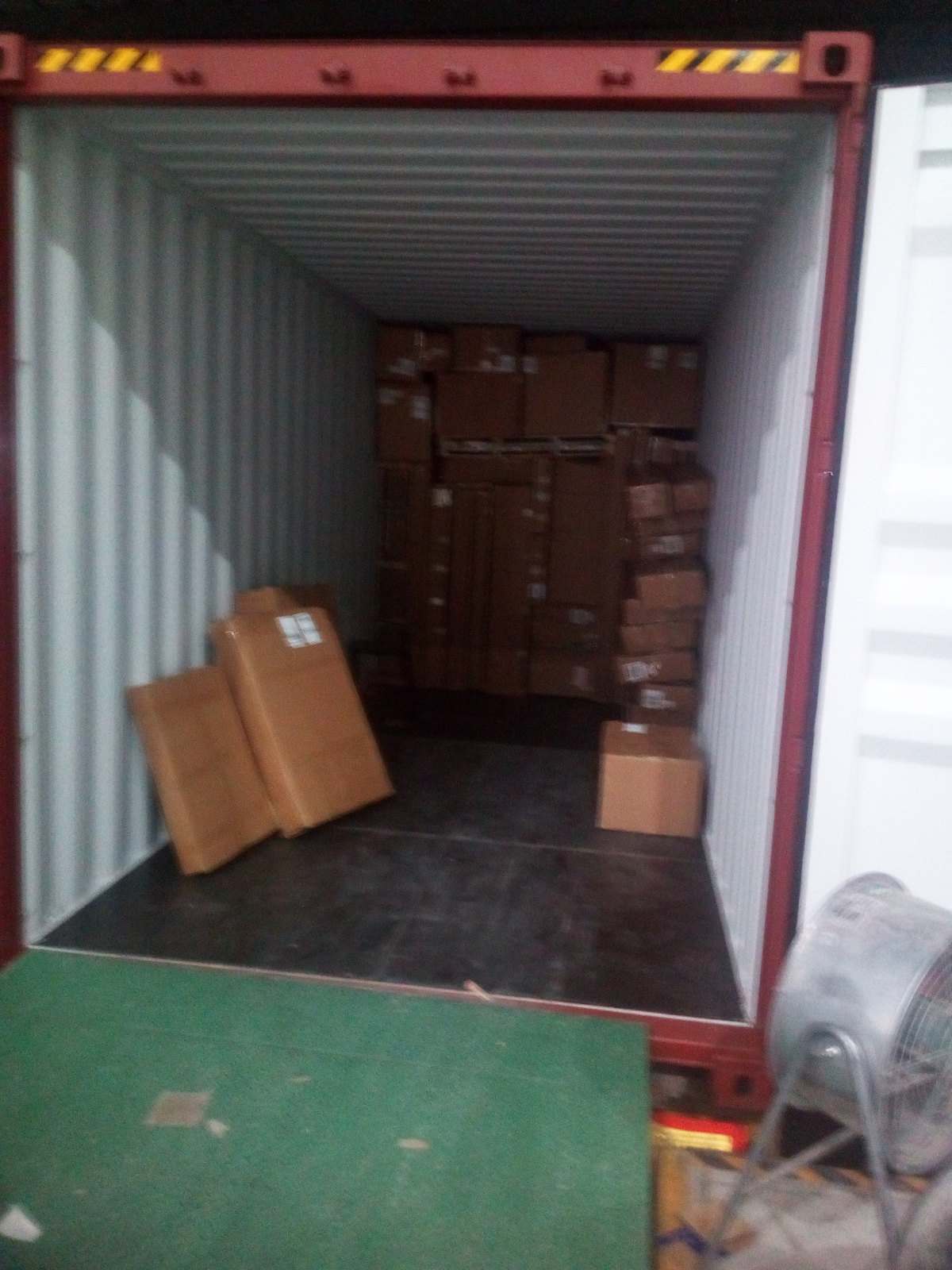
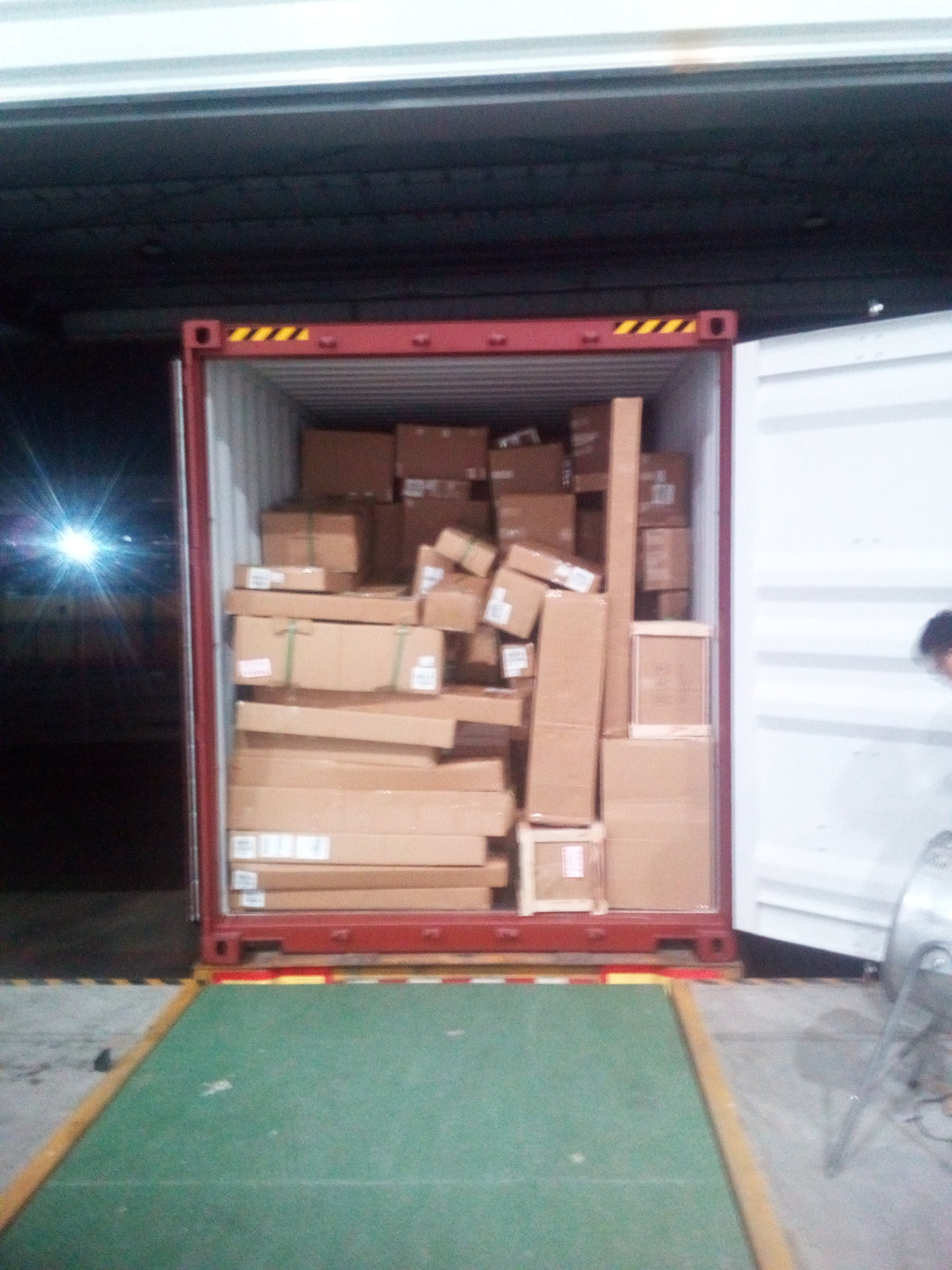
SR-2026-L02 · 6 June 202623:45 – 01:16
The longest of the four nights, running past midnight. Three photographs: the interior mid-load, the doorway at night, and the doors closed.
SR-2026-L03 · 17 June 202622:45
A mid-load photograph: cartons stacked in the box with a timber pallet base visible at the door.
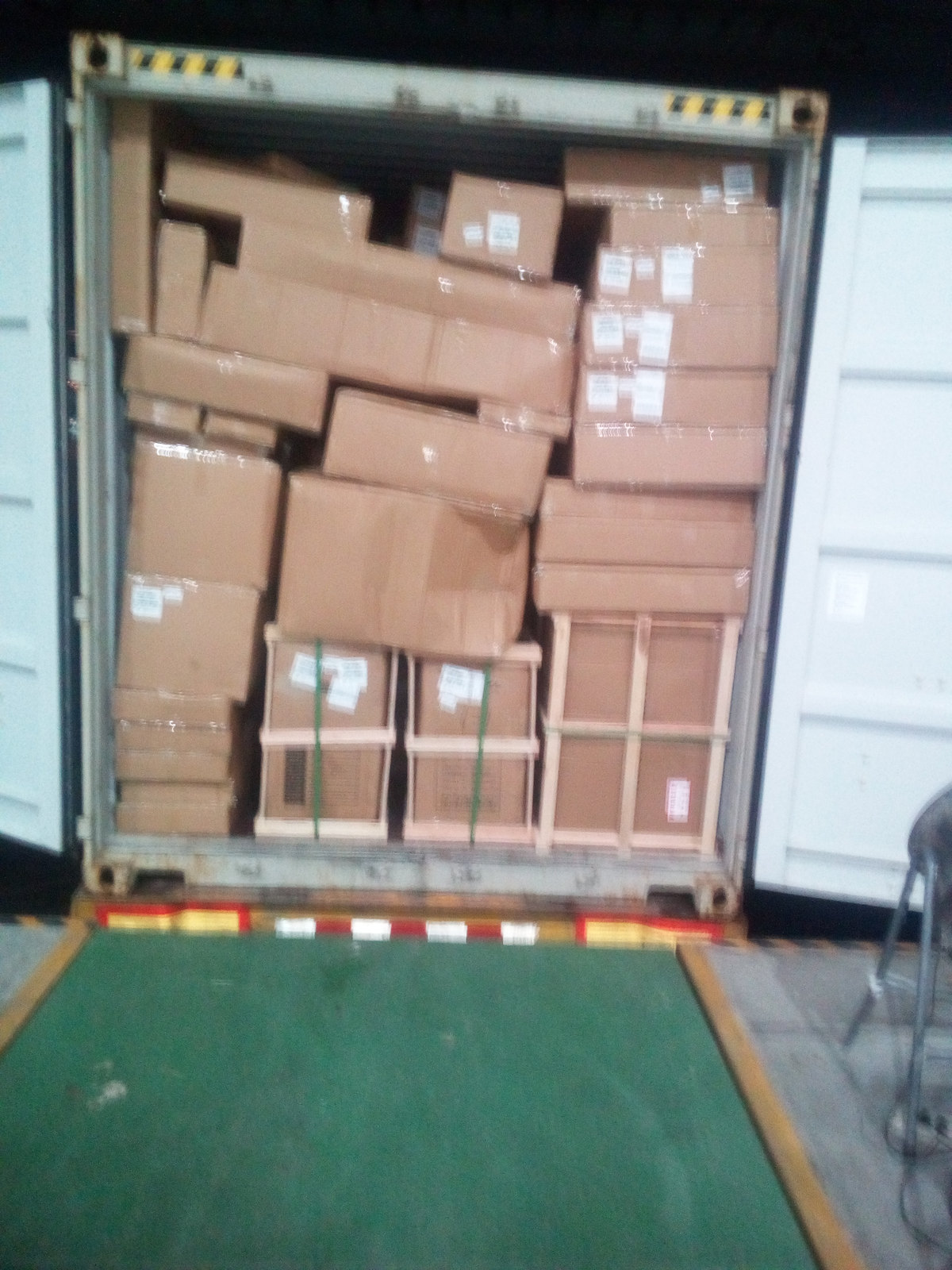
SR-2026-L04 · 27 June 202623:10
Loading in progress: the doorway half-filled, mixed carton shapes, pallets waiting on the dock.
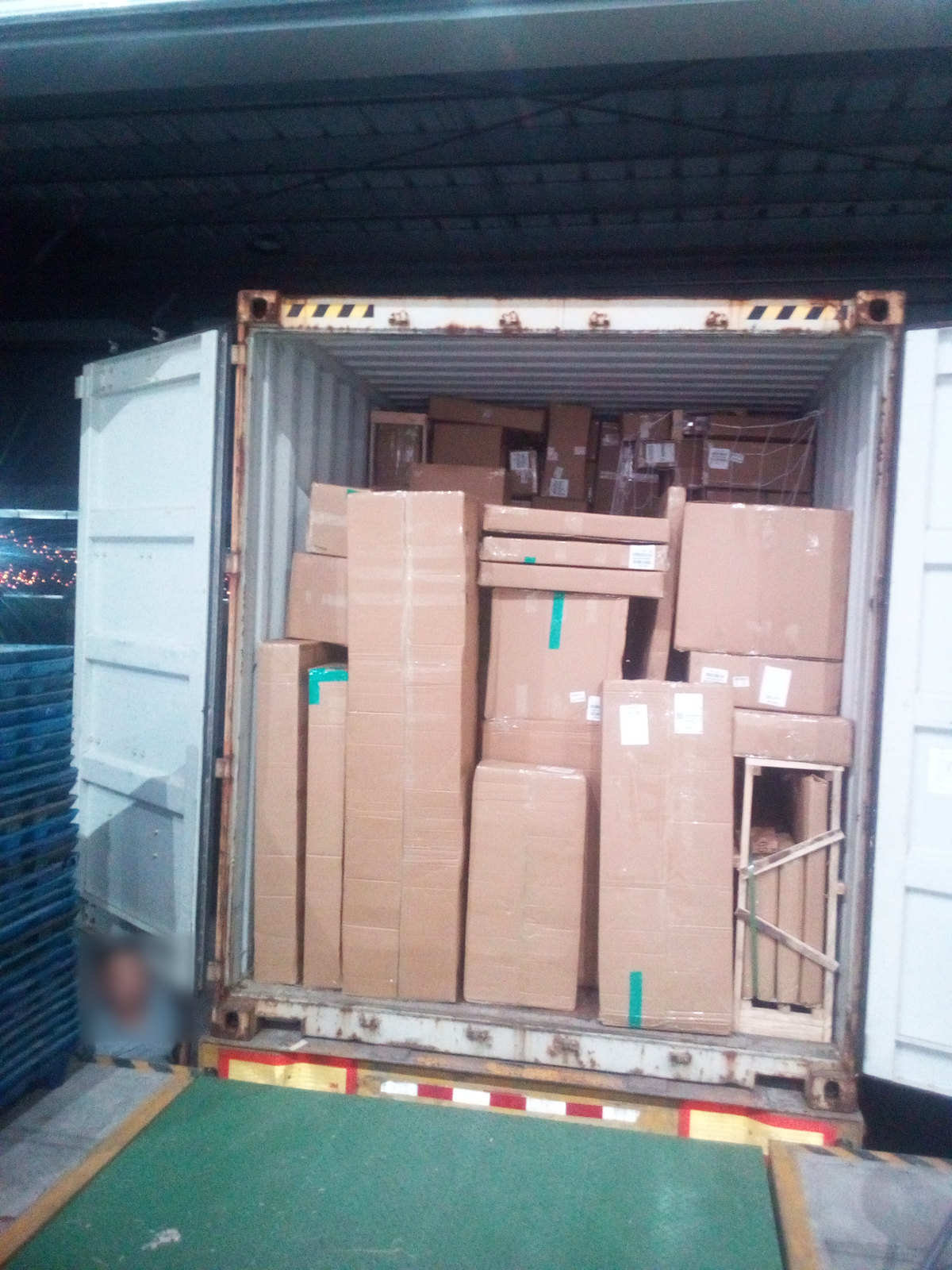
The loading check sheet
Separate from the receiving check sheet, and run on every load. Receiving decides whether the goods are right; loading decides whether they arrive right.
- Cartons counted against the packing list as they go into the box, not before it — the count at loading is the count the shipment is released on.
- Carton condition read at the doorway. A crushed or wet carton is photographed and recorded before it goes in, because a transit-damage claim needs the state at loading, not the state at arrival.
- Heavy cartons on the floor and along the walls, light and crushable goods on top. Glass, shades and anything with a plated finish never travel under board goods.
- Goods on pallets or timber bases, strapped as blocks, so the load moves as units rather than as loose boxes that shift against each other for six weeks.
- Void filled at the doors so the last row cannot move forward into the doors during transit.
- Container number, seal number and the loaded photo set recorded against the shipment file before the doors close — the photo set is what makes the seal number meaningful.
Where this sits in the file
A shipment file has three parts: the receiving record, the loading record and the documents. The forty receiving records are the first part; this page is the second. The third — the packing list, the invoice, the certificate of origin and the bill of lading — goes to the client rather than onto the site, because it carries their name.
The written record of one of these loads, with the photographs and the paperwork walk-through, is in the loading article. The process behind it is set out on Consolidation & Freight.
Shipping a consolidated order? Send the list and the destination and we will quote the load.
Let's Talk All Shipping Records