 YIVAHUB
Shipping Records
40 orders, one page each — what arrived, what we checked, how it was packed
Every order that leaves our warehouse is photographed and checked before the container is released. This is the public version of that file: the goods as received, the check sheet for the category, the packing specification, and the note on what tends to go wrong.
Client and platform identities are withheld under our confidentiality terms, and quantities are shown as indicative volumes rather than exact counts. Supplier marks, shipping labels and brand markings on cartons are masked in the photographs. Everything else — category, specification, belt, check sheet — is what we worked to.
Read them as a sample of method rather than a catalogue: the categories repeat, the products do not. If you want the paperwork shape instead of the photographs, the sample reports show a supplier shortlist, a sample assessment and a pre-shipment inspection note with the names removed.
Furniture — 29 records
Case goods, tables and seating out of the Foshan belt, plus office furniture from Dongguan
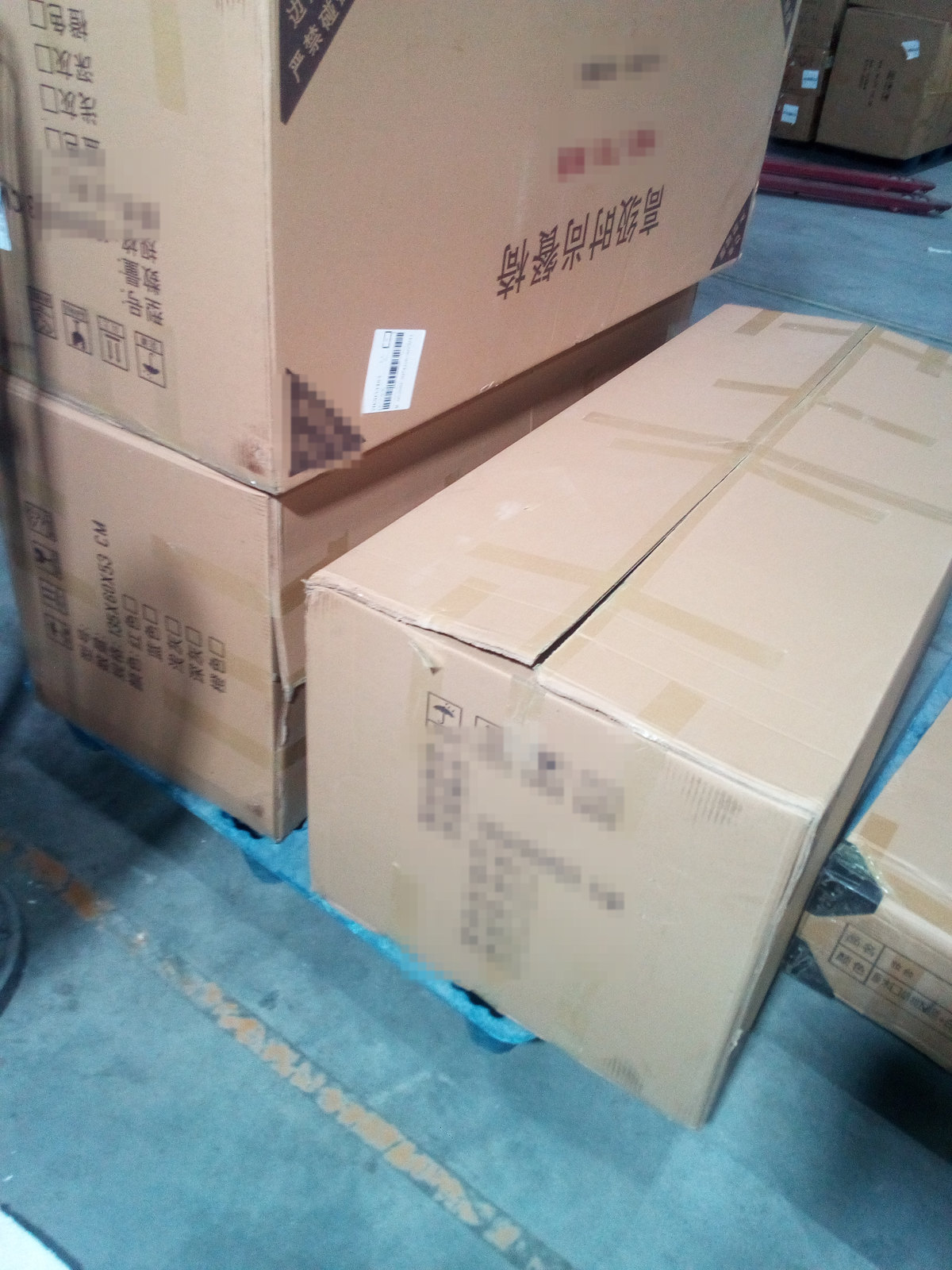
A first container for a new dining range — a compact table-and-chair set, ordered at a volume that would not have cleared a factory minimum on its own.
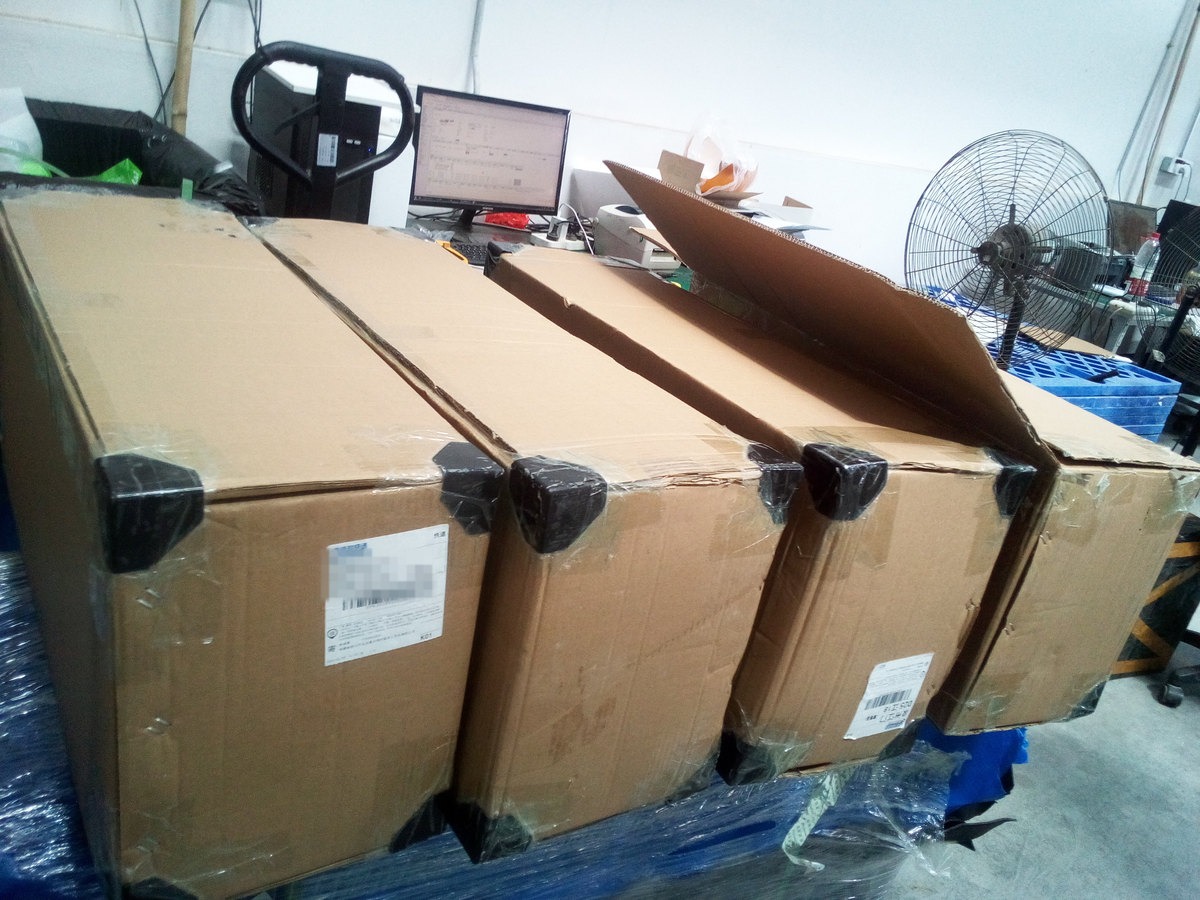
Five console SKUs in four finishes, each below its own MOQ, placed as one mixed run inside a single finish family.
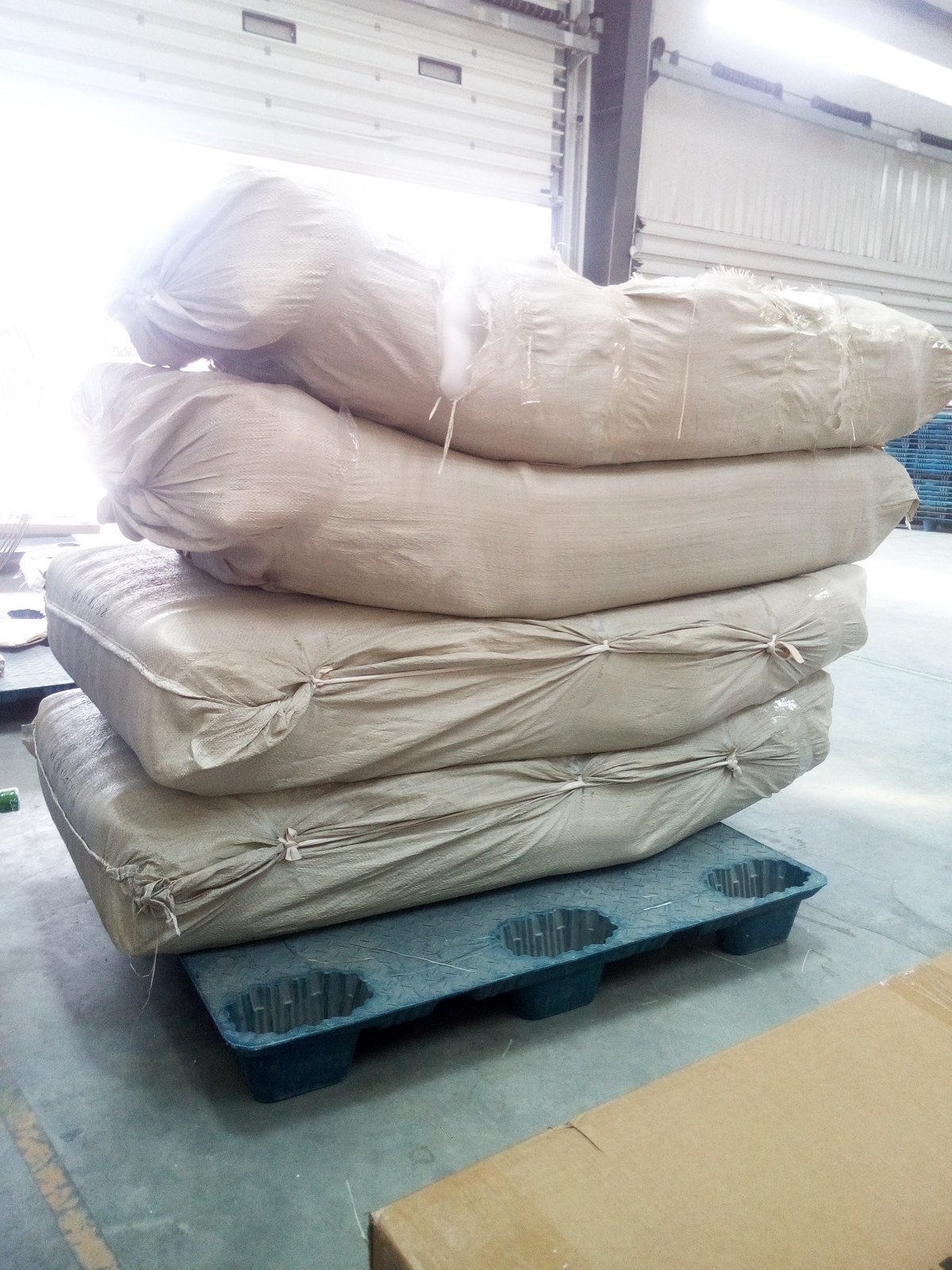
A five-piece run of an upholstered chaise, bought as a trial for a living-room range previously sourced through a trader.
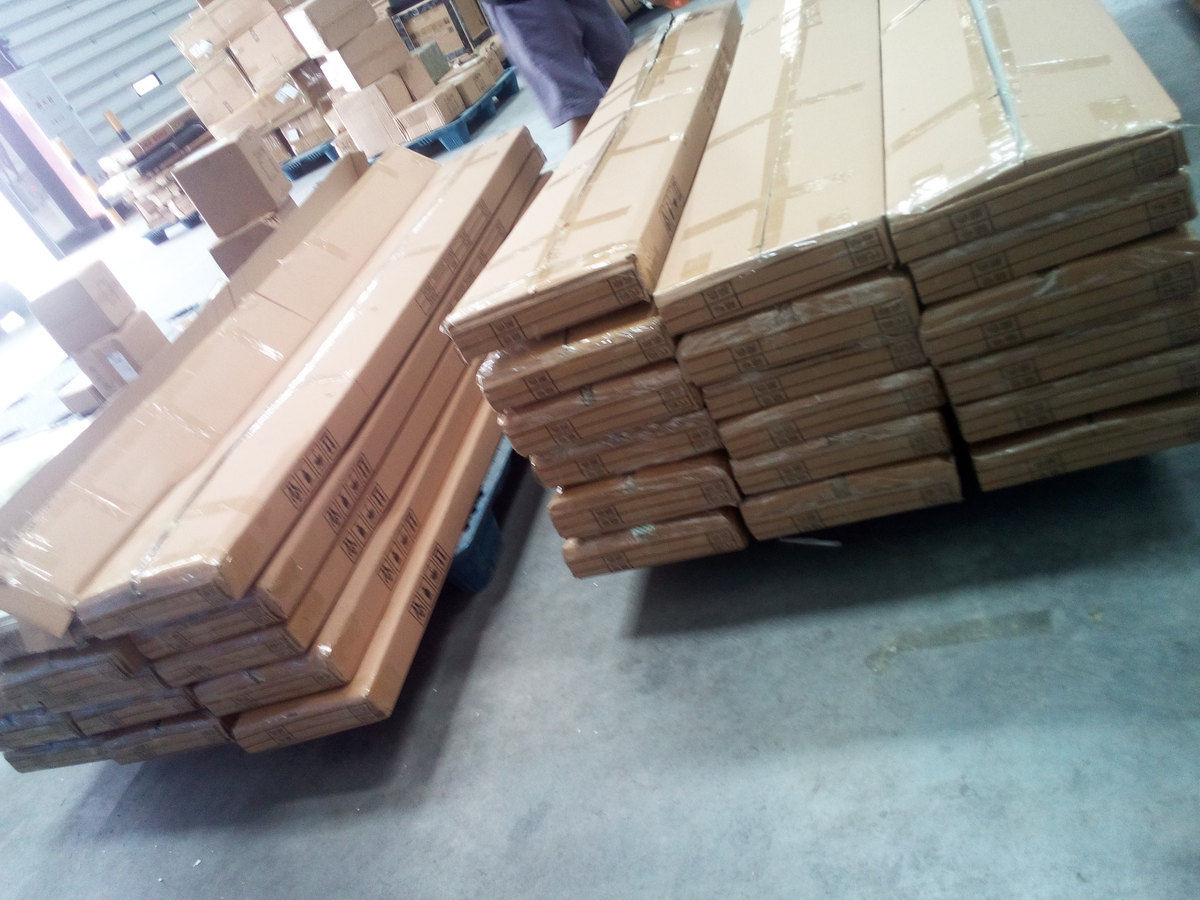
Thirty white bookcases on a repeat pattern, against an existing listing where the previous supplier's edge banding had started to lift.
A two-piece sample order of a nursery rocker, bought to test the runner geometry and the finish before a seasonal buy.
Twenty desks in a gold-frame and black-top combination, ordered as a range extension alongside an existing chair line.
Two side tables, ordered as a trial alongside a larger bedroom order out of the same belt.
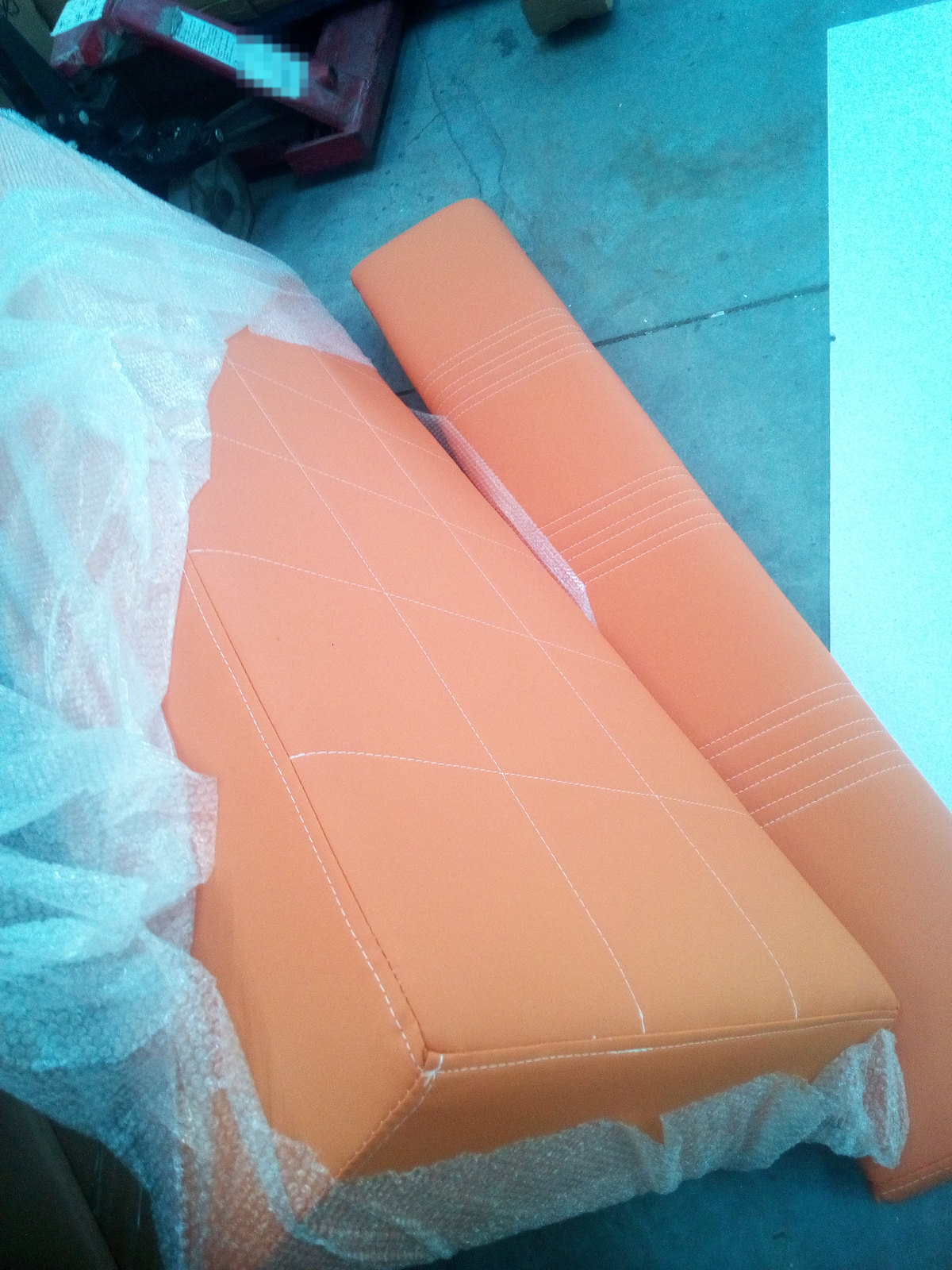
Five sofas ordered at a volume that fits one container leg, with frame build and foam density as the two points this client had been burned on before.
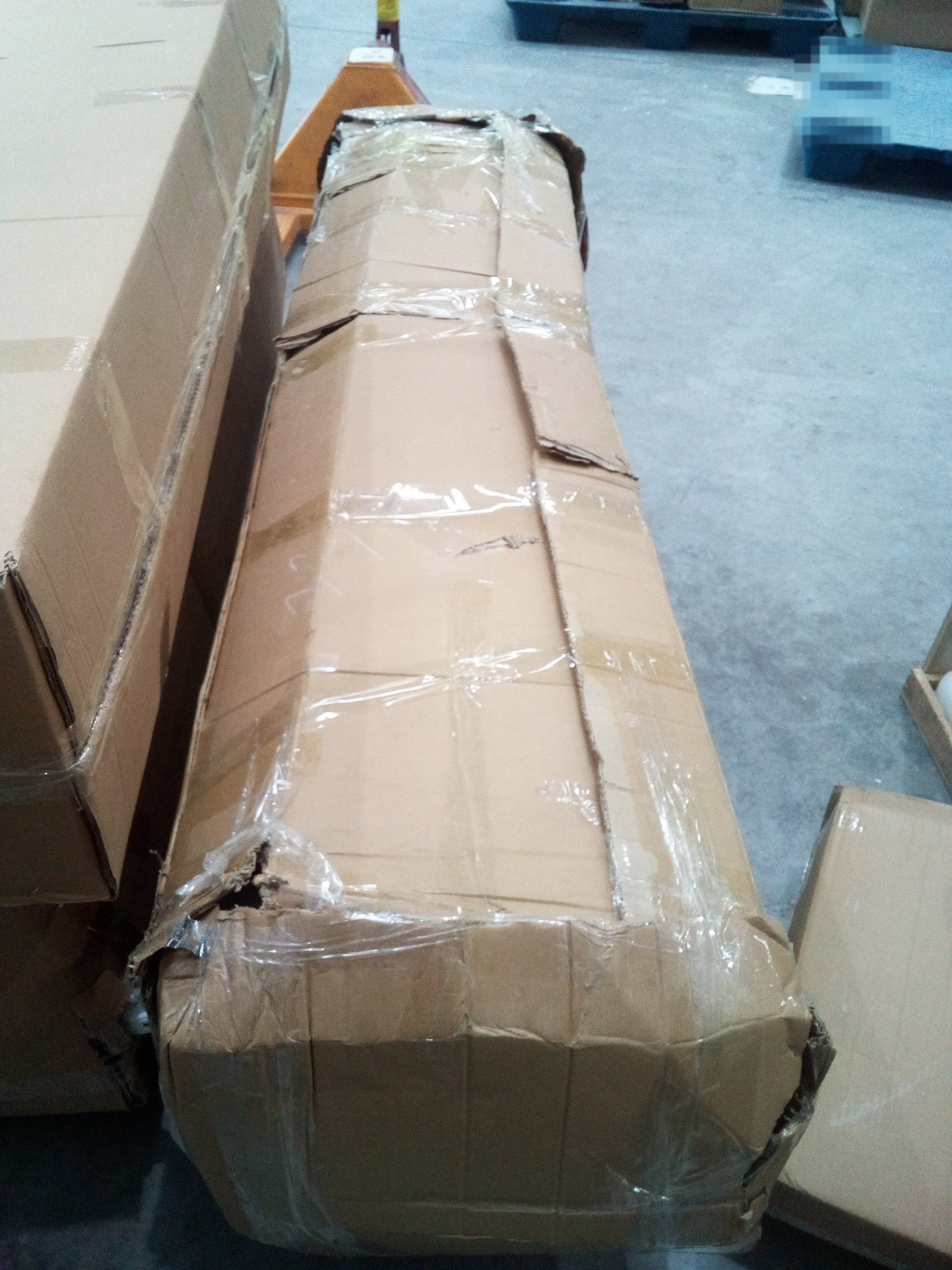
A two-piece order of a media unit, kept small because the client wanted the cable-management openings and the finish checked before a wider buy.
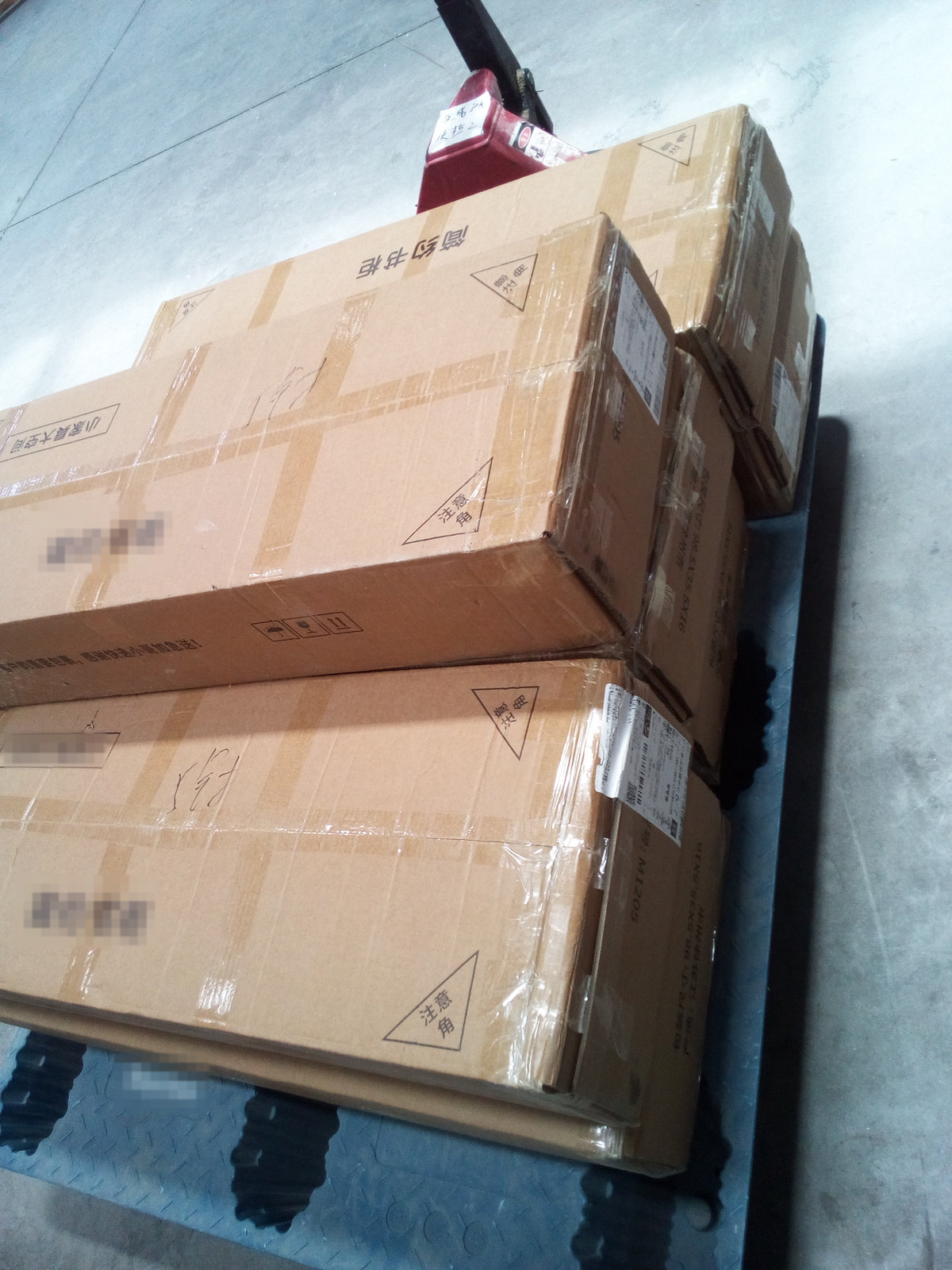
Eight five-drawer filing cabinets — drawer count is the risk, because five drawers means five sets of runners that all have to match.
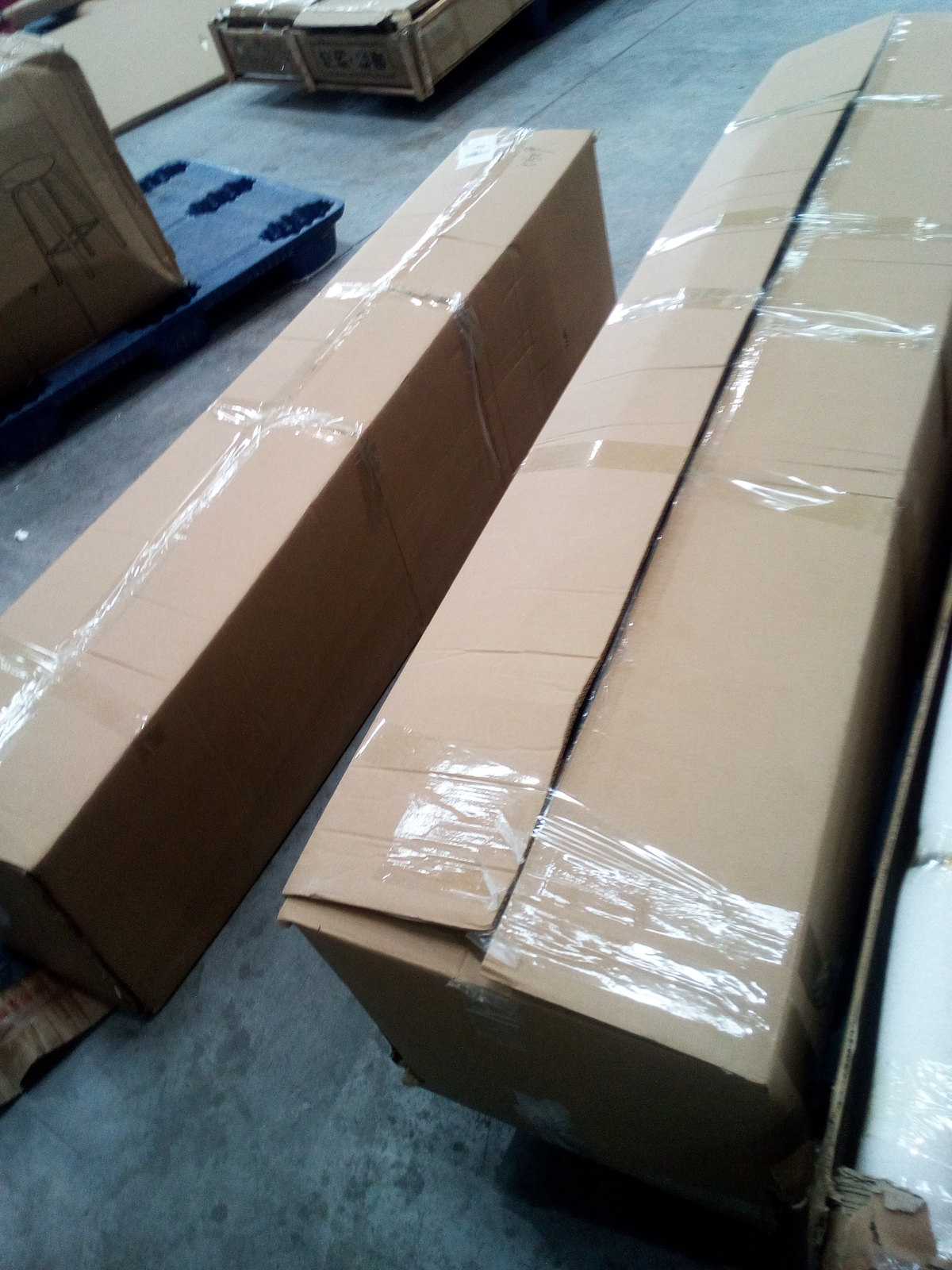
Twelve hall stands — a tall, narrow product where the failure mode is racking, so the frame joint was the inspection.
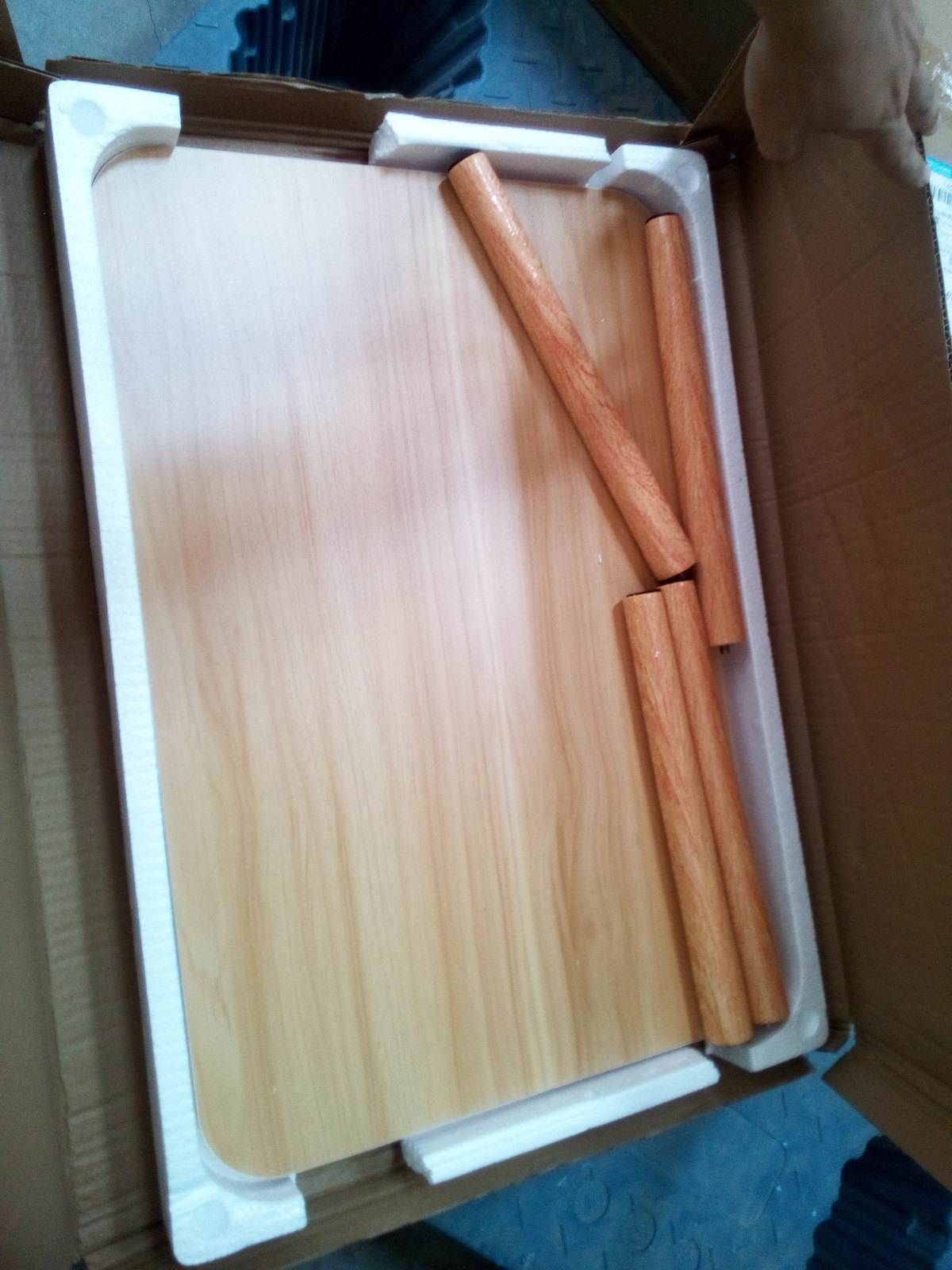
A three-piece trial of a mobile laptop cart, ordered small because the client wanted the castor and brake quality checked before listing.
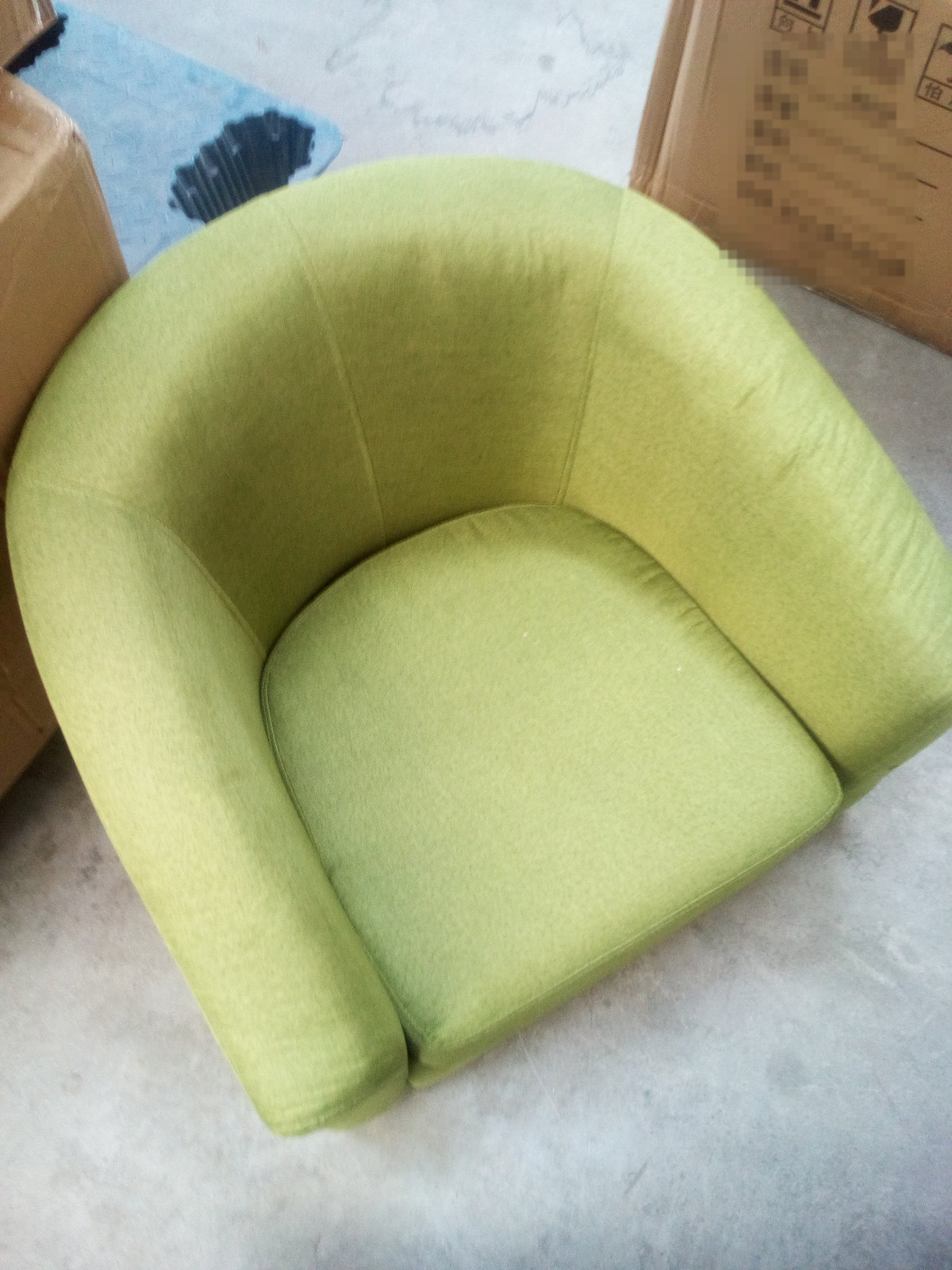
Thirty-six accent chairs across three linen colours — three dye lots to match and hold, which is the part that actually decides whether the range ships.
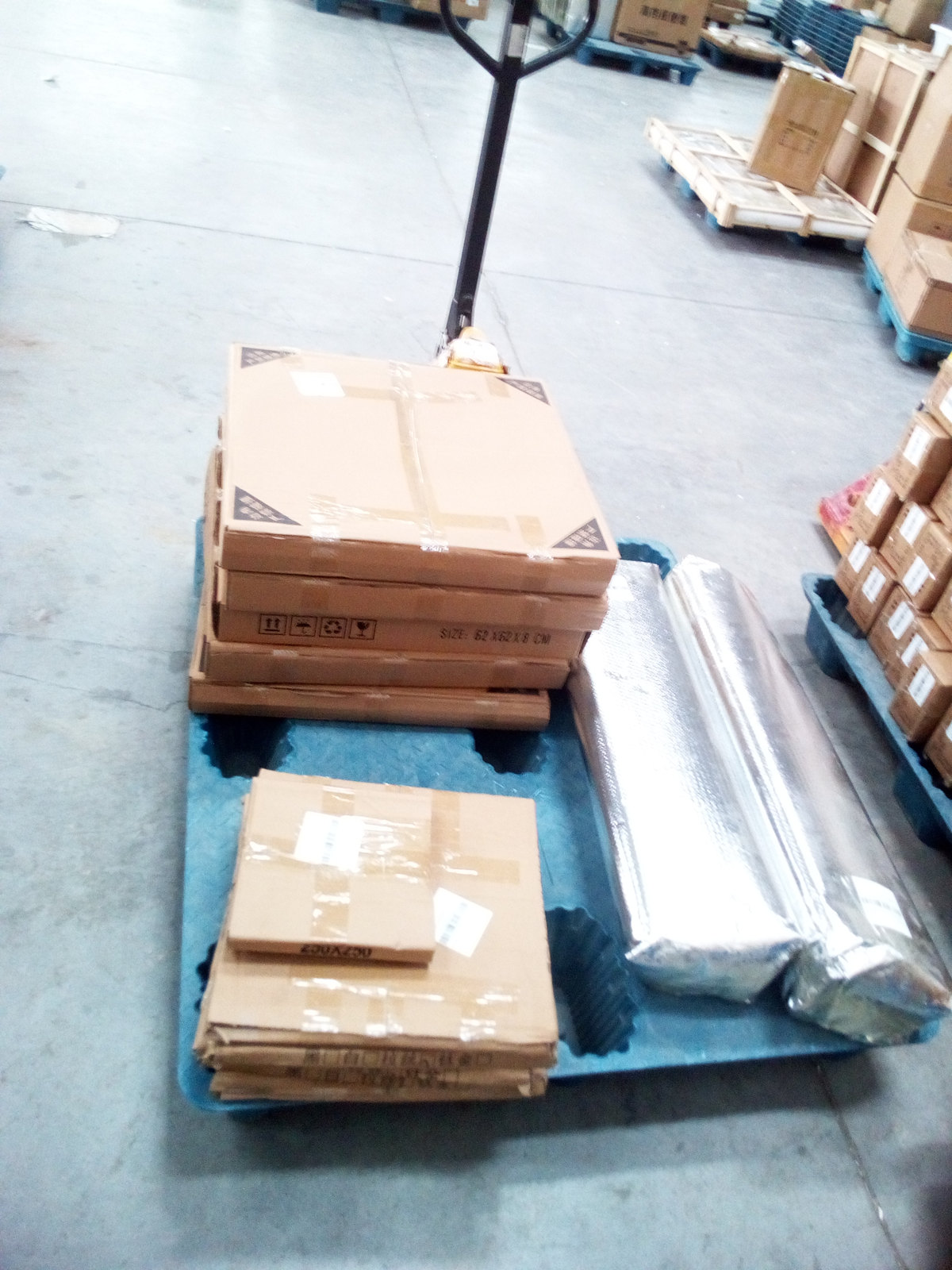
Nine stainless coffee tables, ordered after the client's previous supplier shipped a base with visible weld marks under the top.
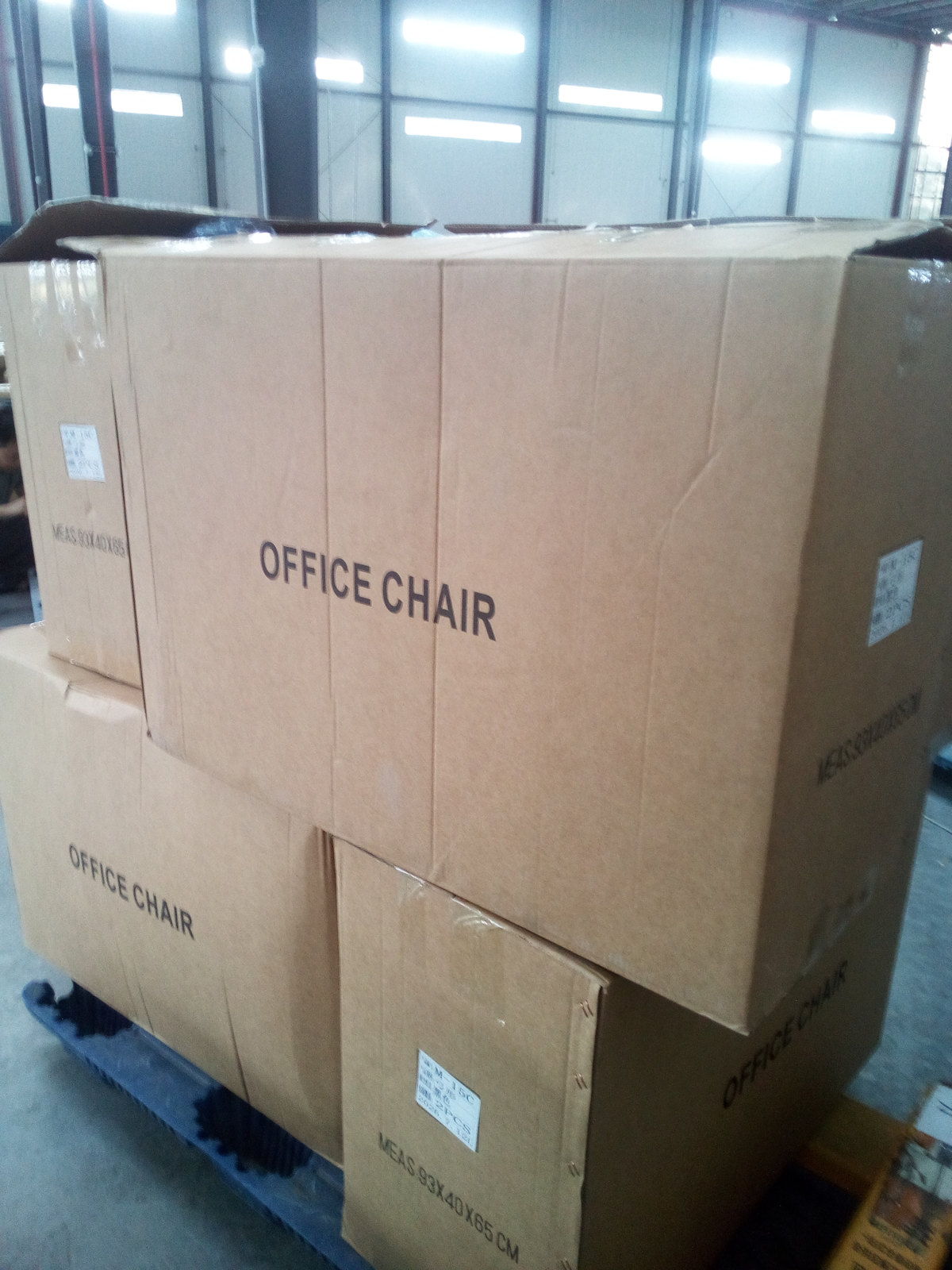
Fourteen office chairs on a bow-leg base, against a sample the client had already approved on appearance — so the work was proving the frame.
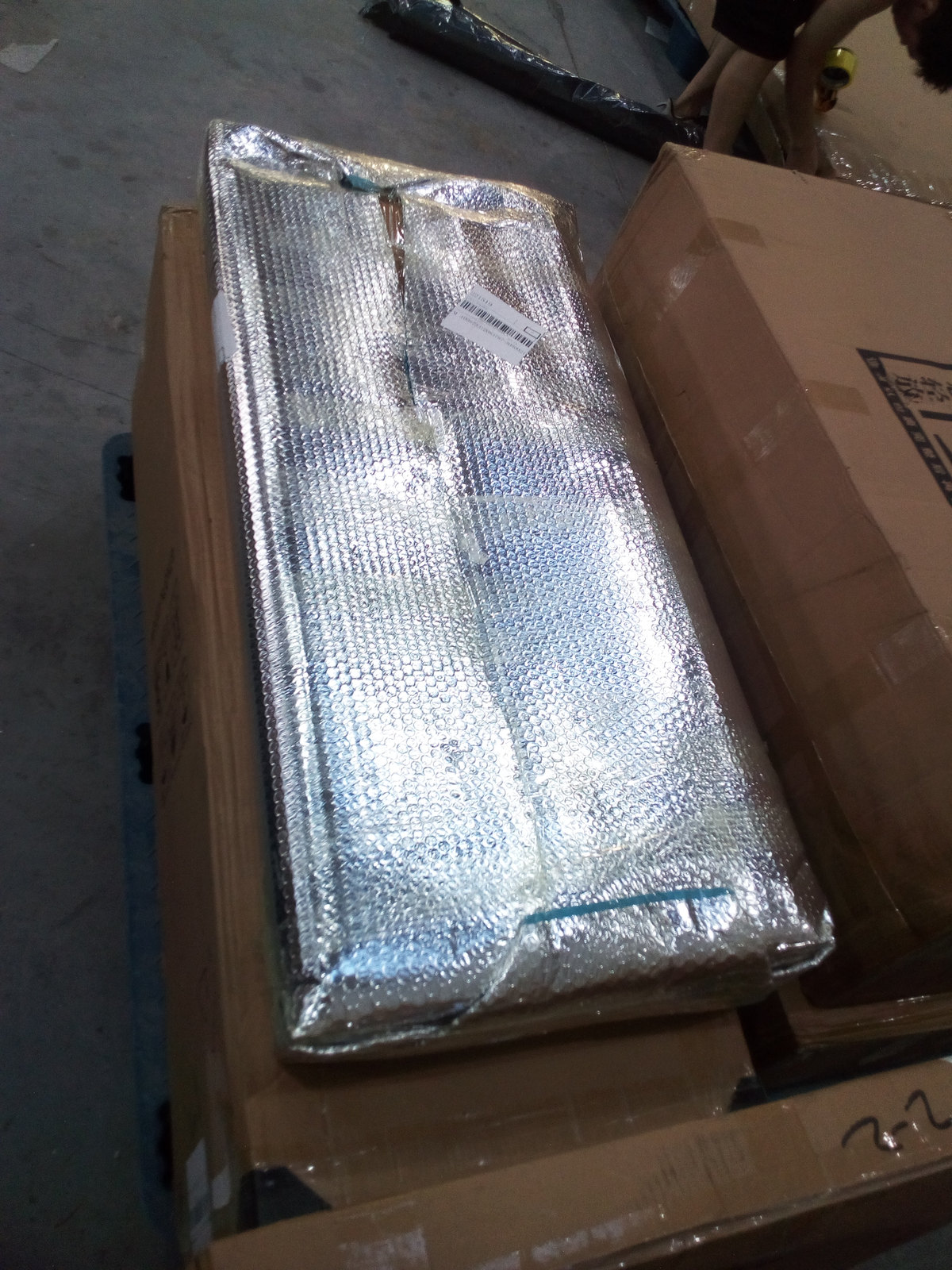
Eight plant stands in a black metal frame — a powder-coat product, so coating thickness and weld dressing were the checks.
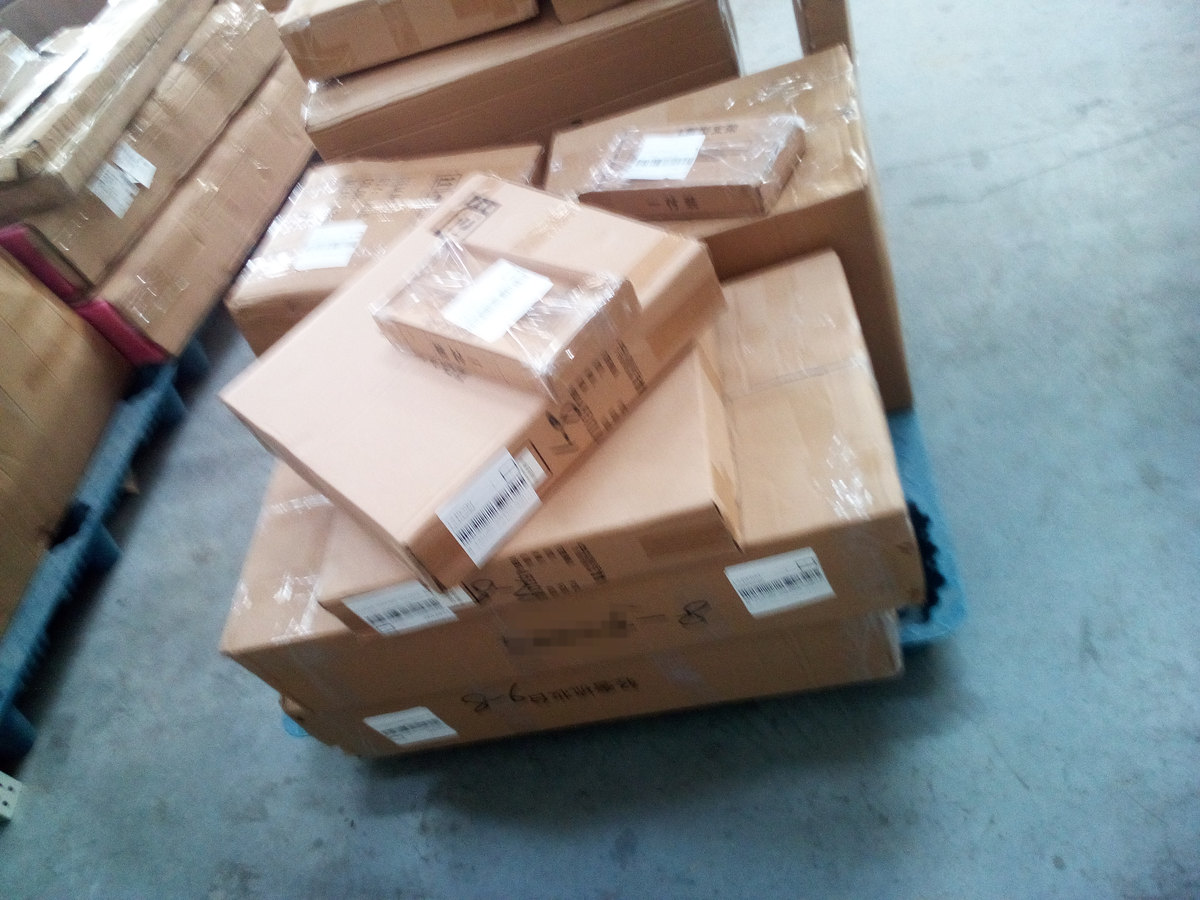
Three dressing tables with attached mirrors — the mirror is the risk, because it travels in the same carton as the frame.
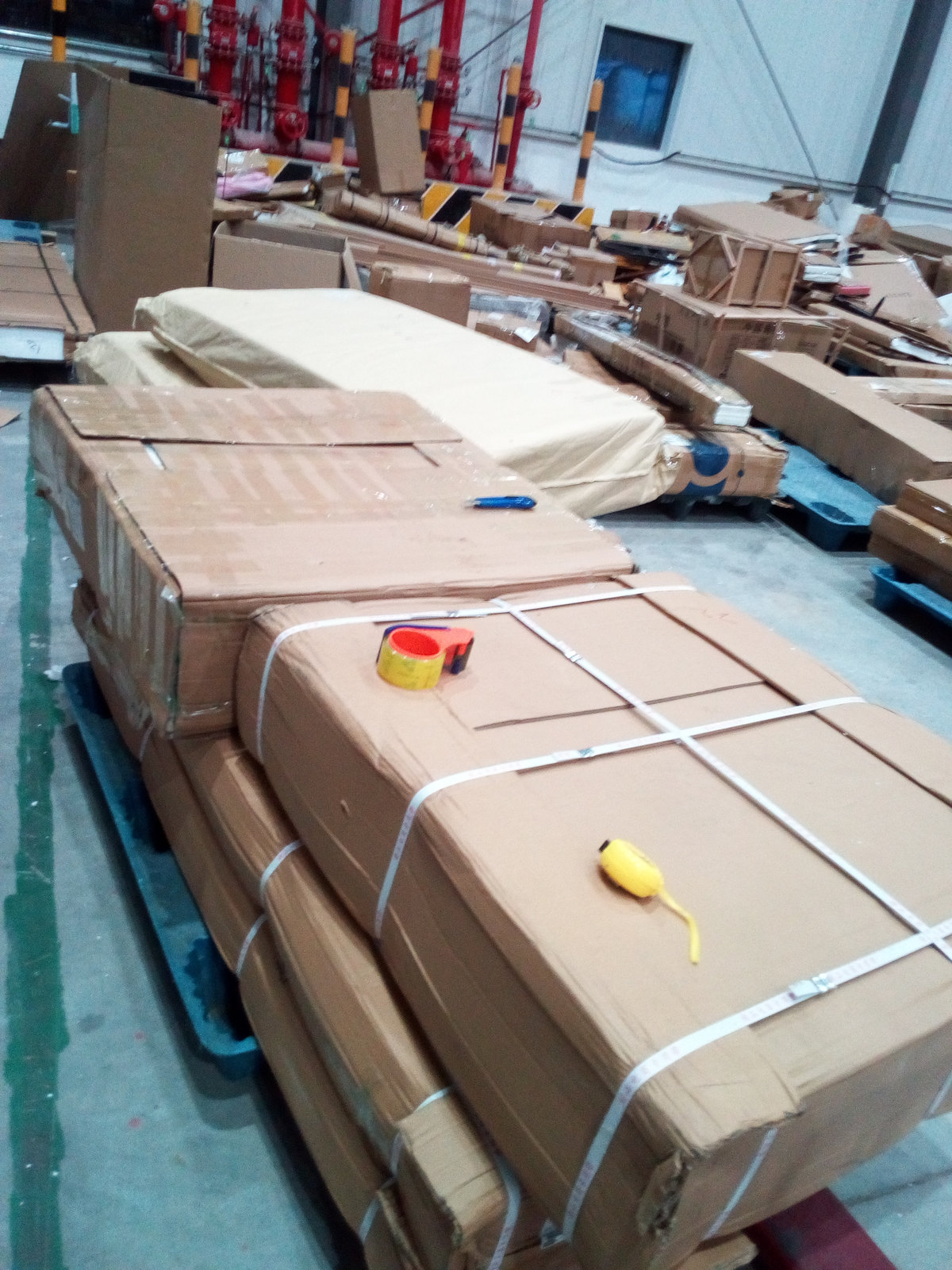
Three folding sofa beds — a mechanism product, so the fold was cycled rather than photographed.
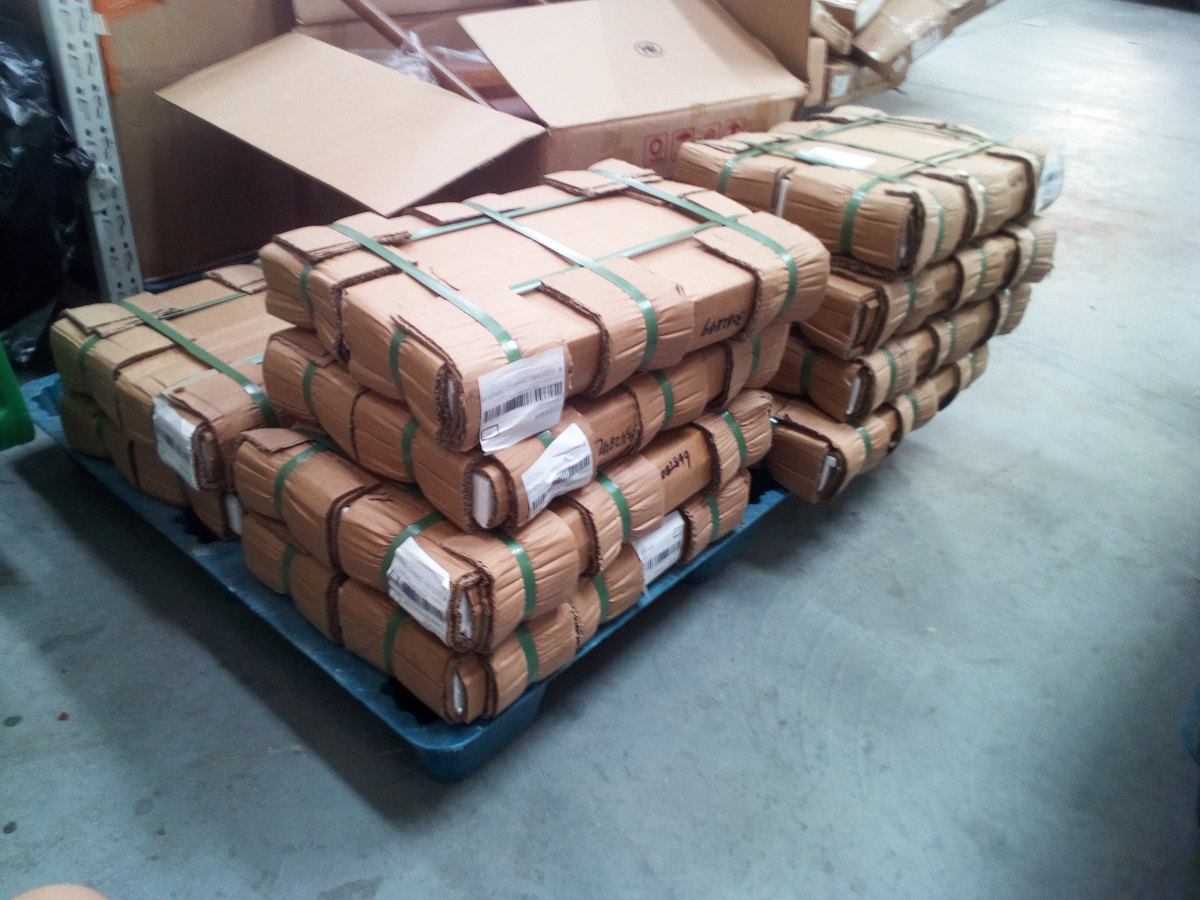
Eight utility carts — mobile product, so the castors and the brakes were the inspection, not the finish.
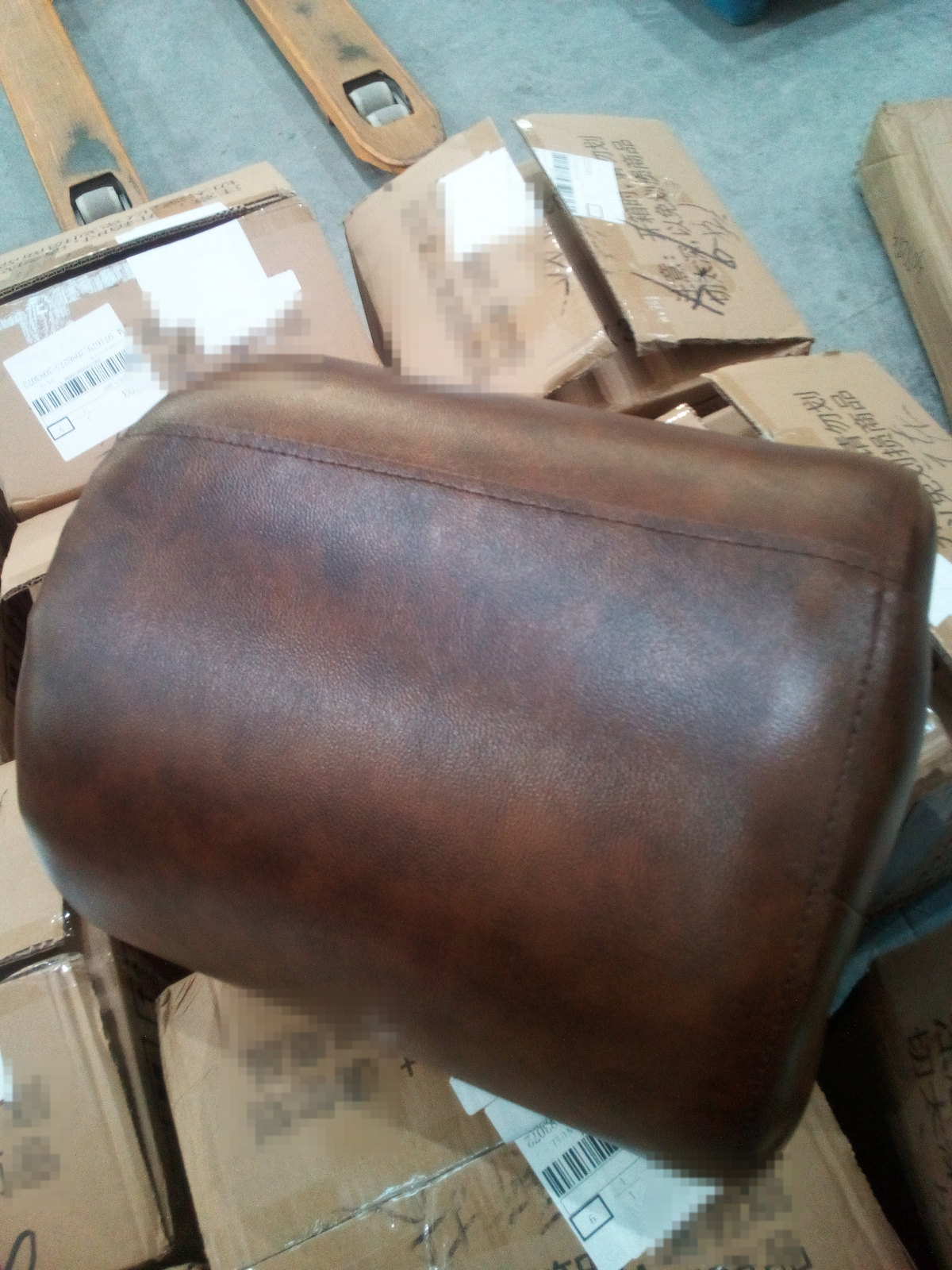
Twelve round ottomans — a buttoned upholstery product, where the buttons and the seam alignment are the visible quality signal.
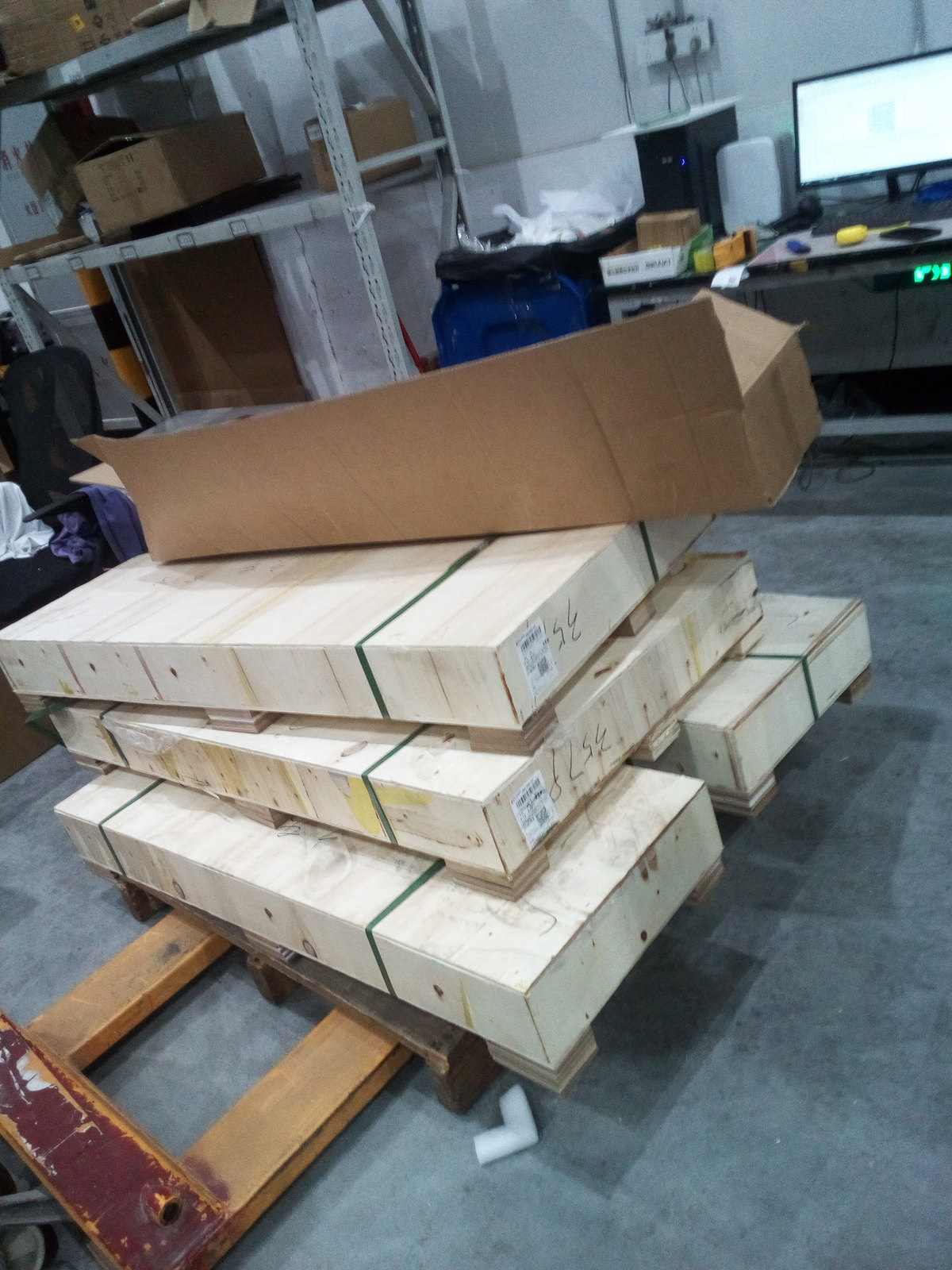
Five glass display cabinets — a glazed-door product travelling with glass and a frame in the same carton, which is a packing problem before it is a woodworking one.
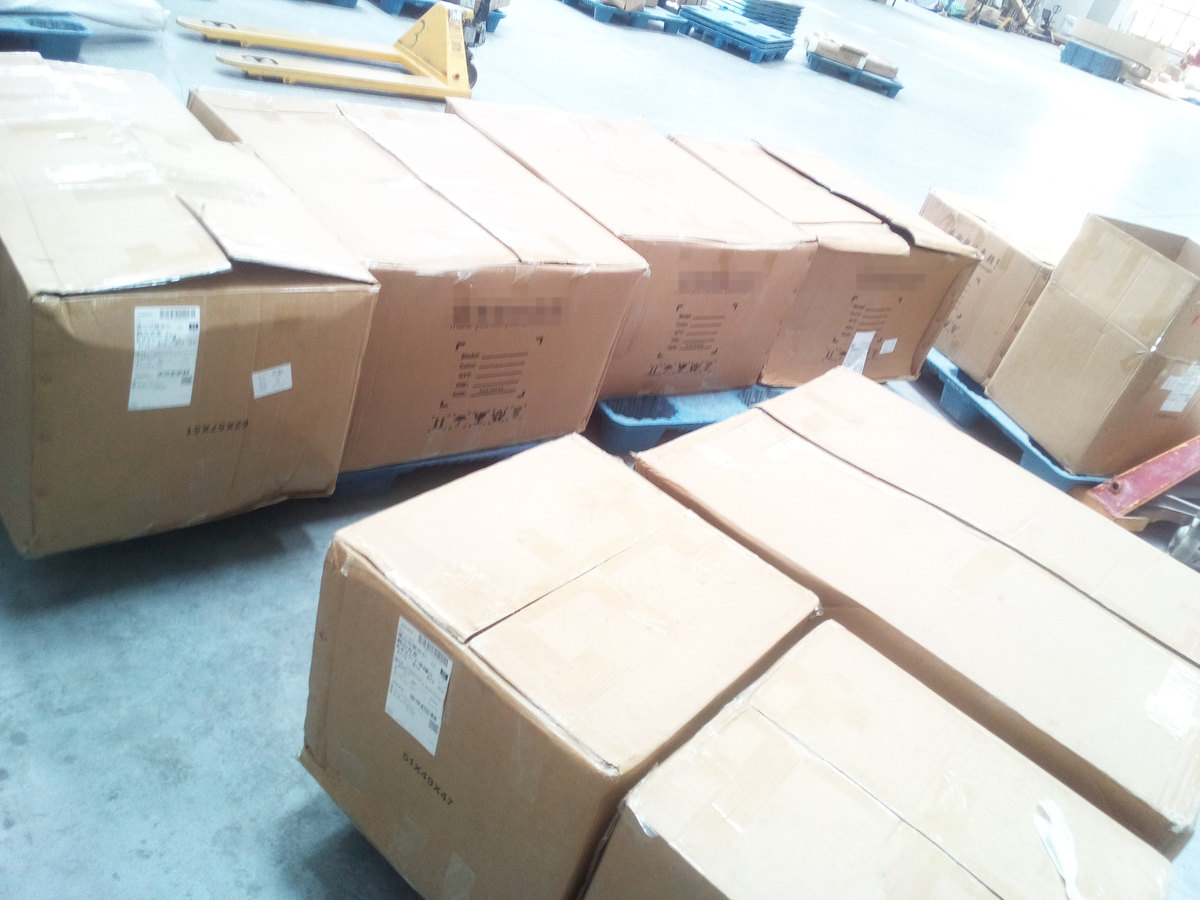
Twenty-eight dining chairs ordered as one-piece sets, going straight into an existing listing with a fixed delivery date.
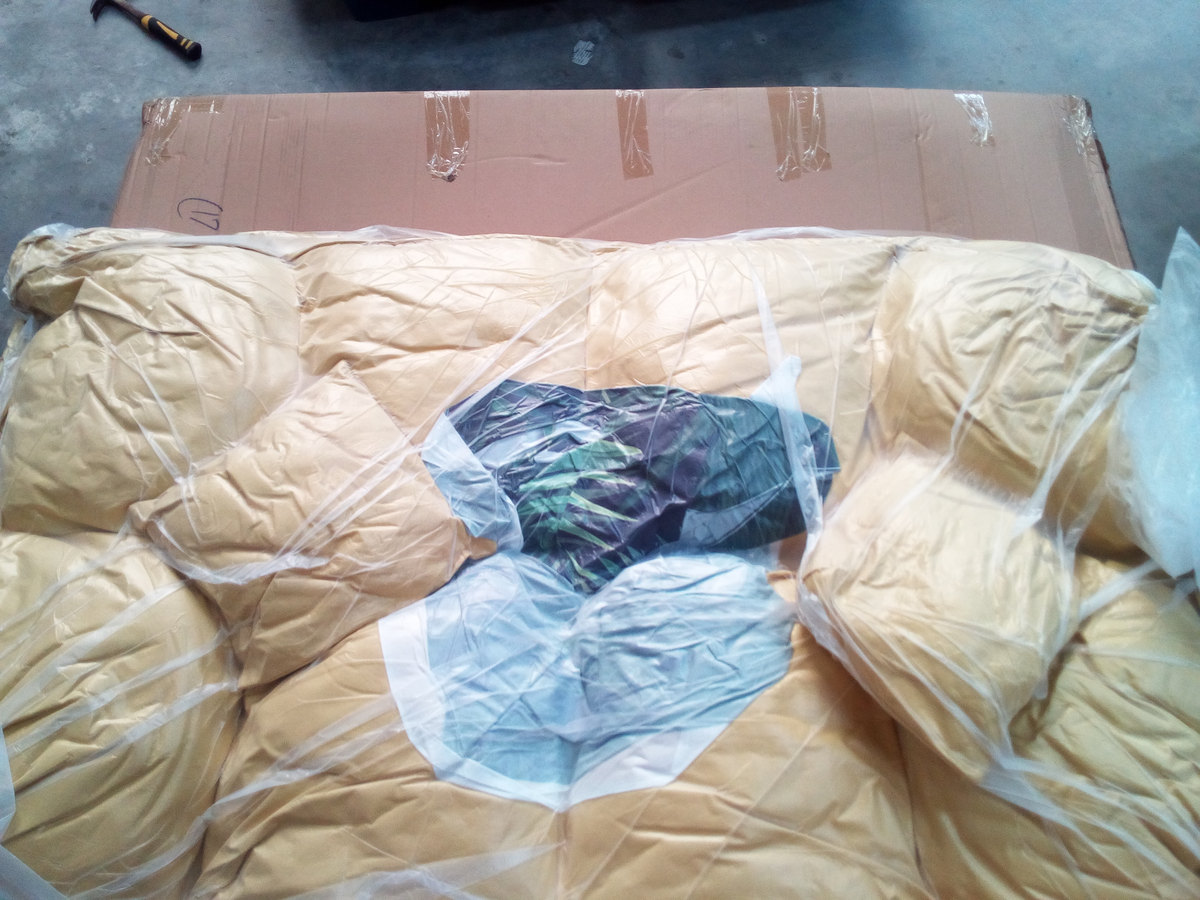
A mixed order of bean bags and matching cushions — two fill specifications in one shipment, which is where fill weight stops being a rounding error.
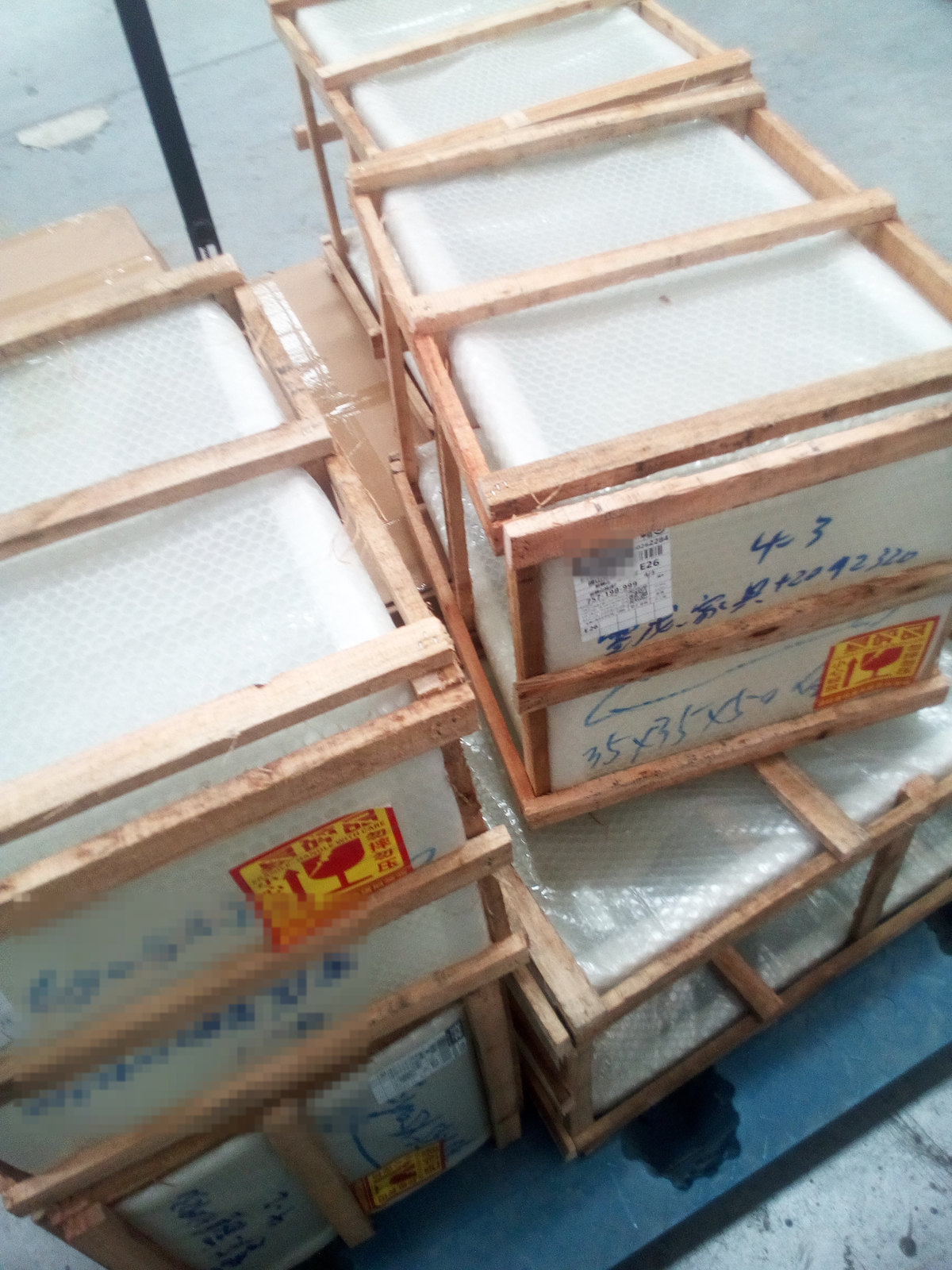
Six nightstands on a repeat order, where the previous lot had arrived with substituted drawer runners.
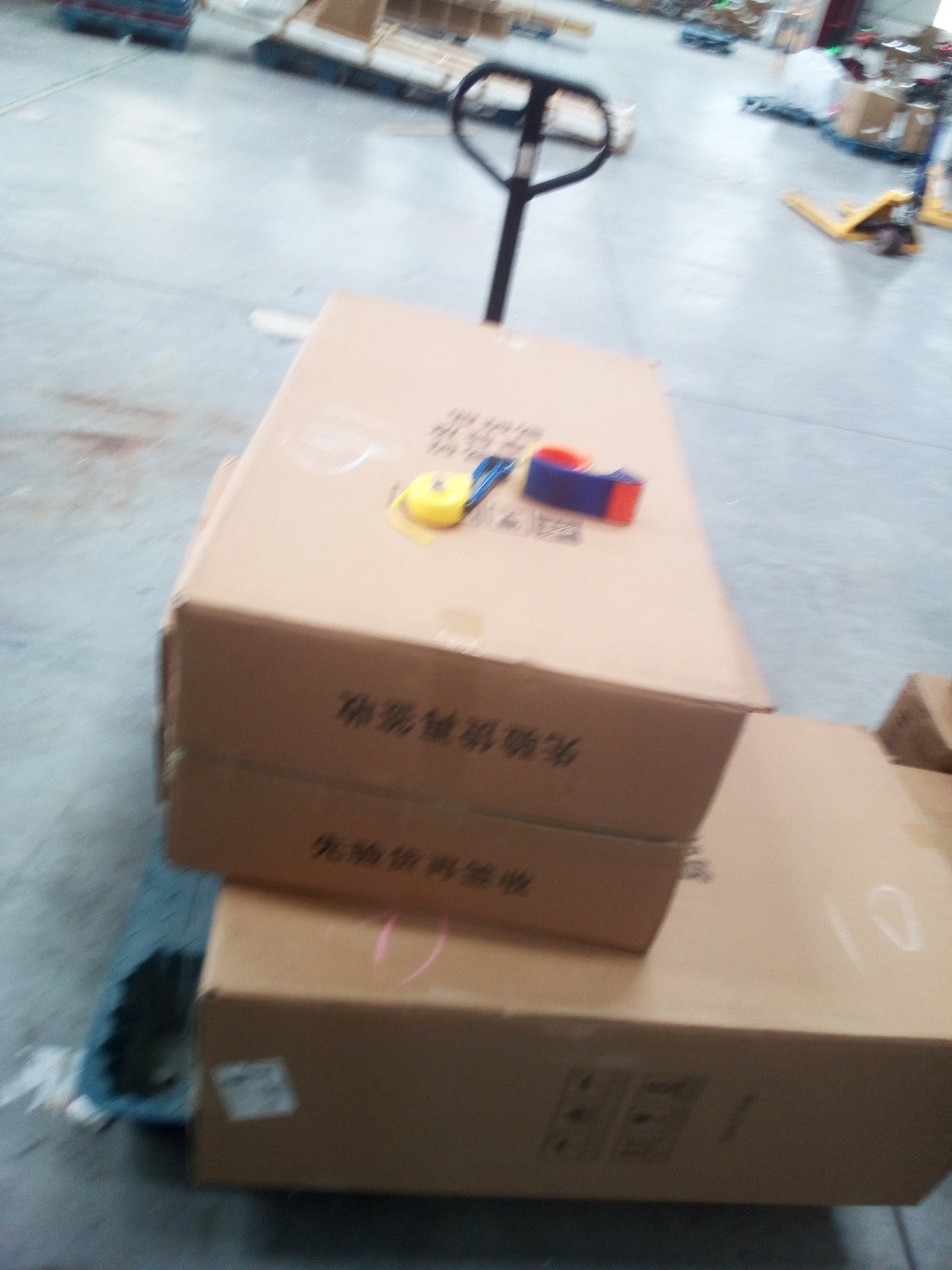
Four chests of drawers — a low-volume order where the client wanted the runners and the handle fixing proven before a full range buy.
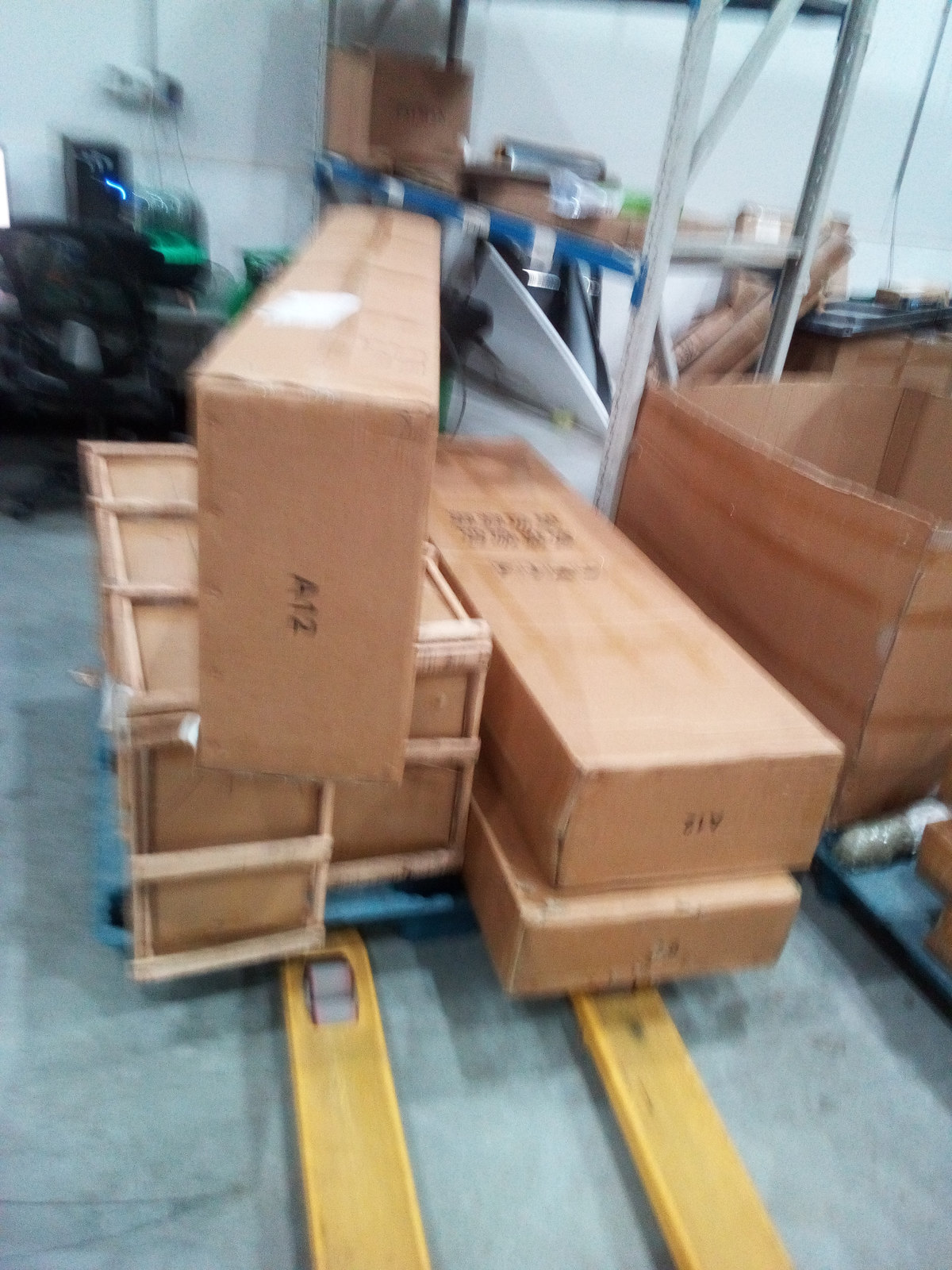
Ten four-panel folding screens — hinged product, so the hinge and the panel alignment are the whole product.
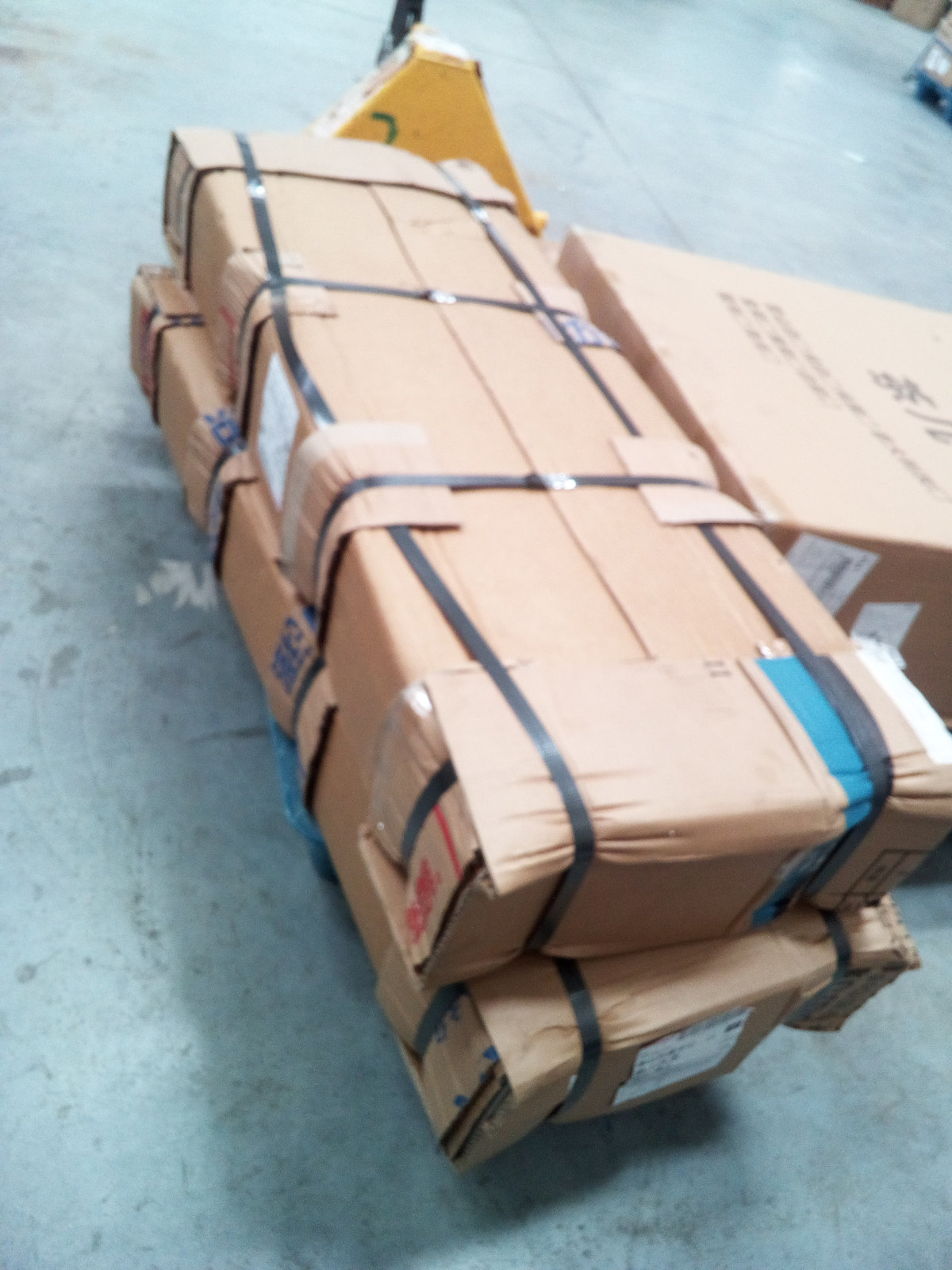
Four kitchen islands with a trolley section — a two-tier product that arrived with an assembly sheet in Chinese only, which had to be replaced before packing.
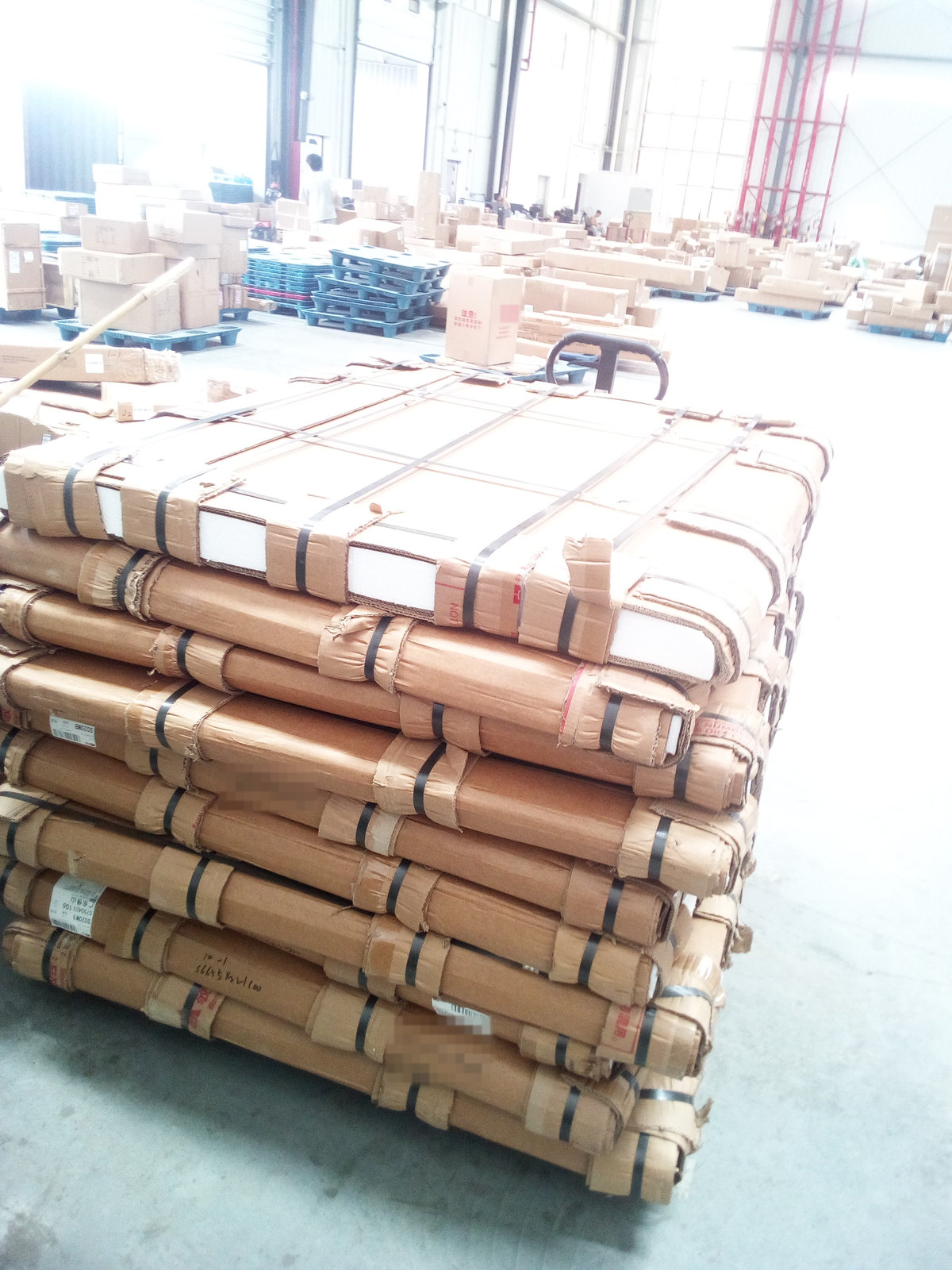
Twelve office storage cabinets with internal shelving — a door-alignment product, checked by opening and closing every unit in the set.
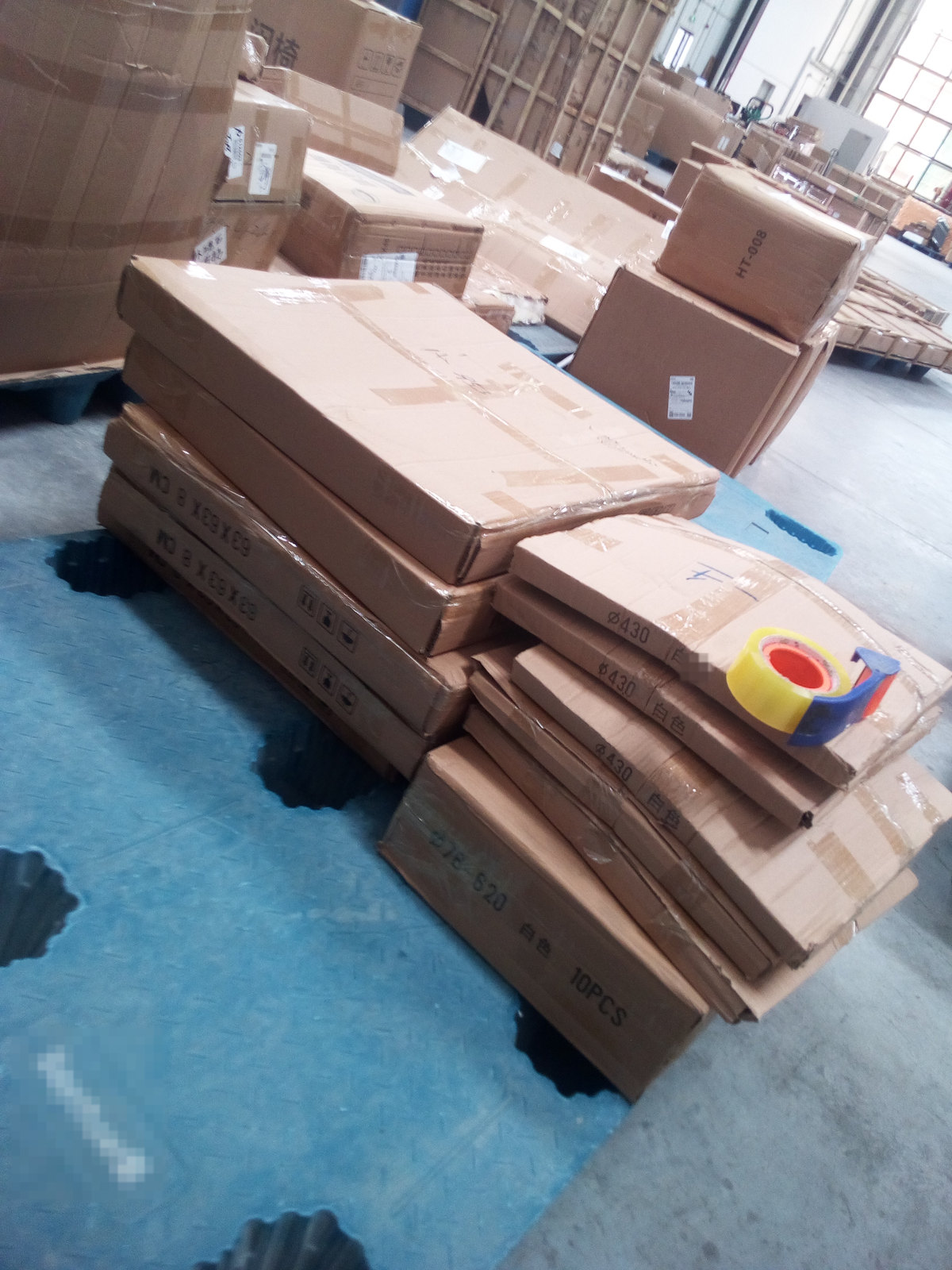
A two-size dining table order placed as one lot, so the smaller and the larger footprint could be checked against the same approved finish and leg profile.
Lighting — 11 records
Decorative, ceiling and outdoor lighting out of the Zhongshan belt
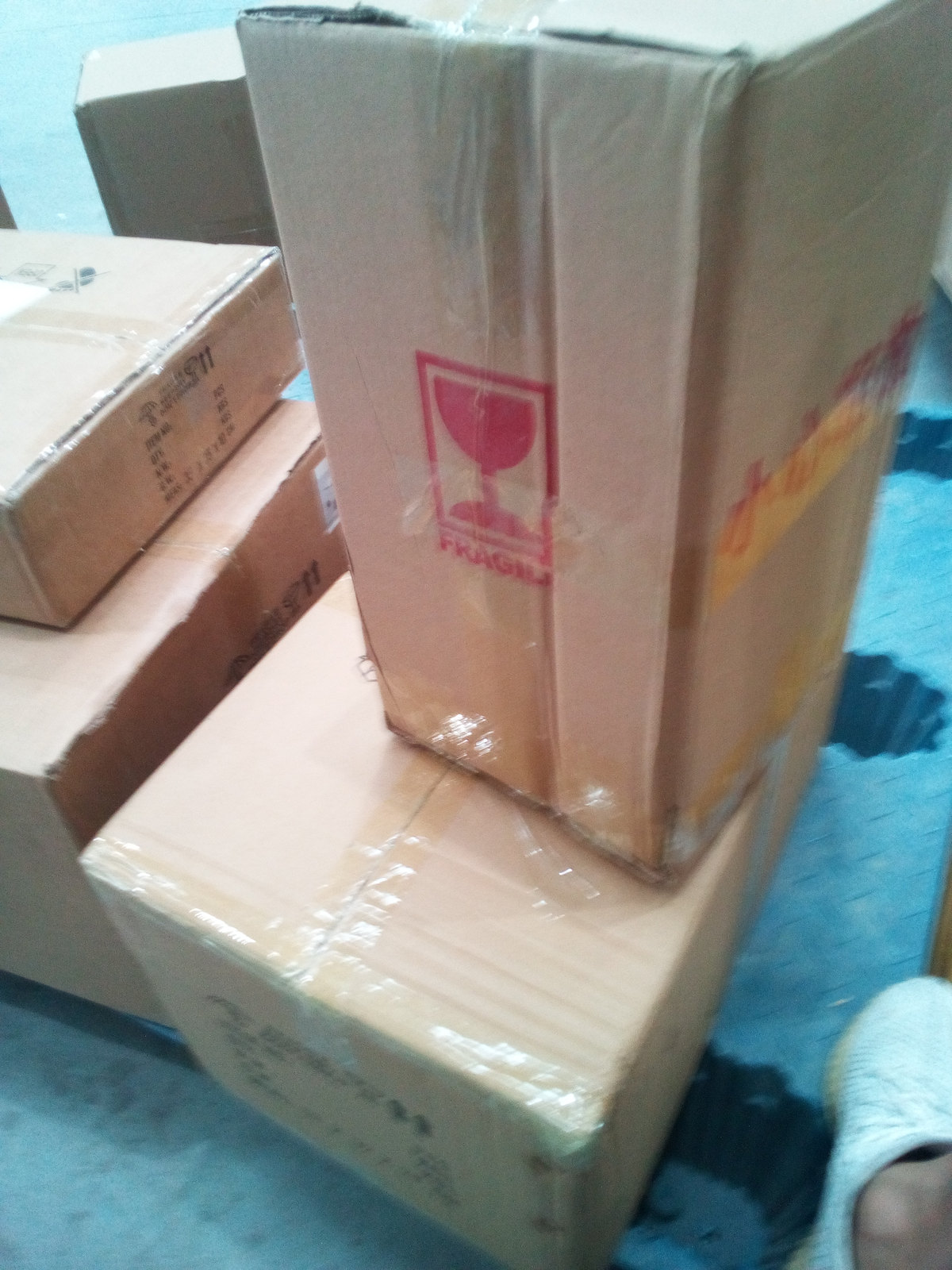
A two-piece trial of a fan-and-light combination — small enough that the client wanted the electrical build proven before committing to a range.
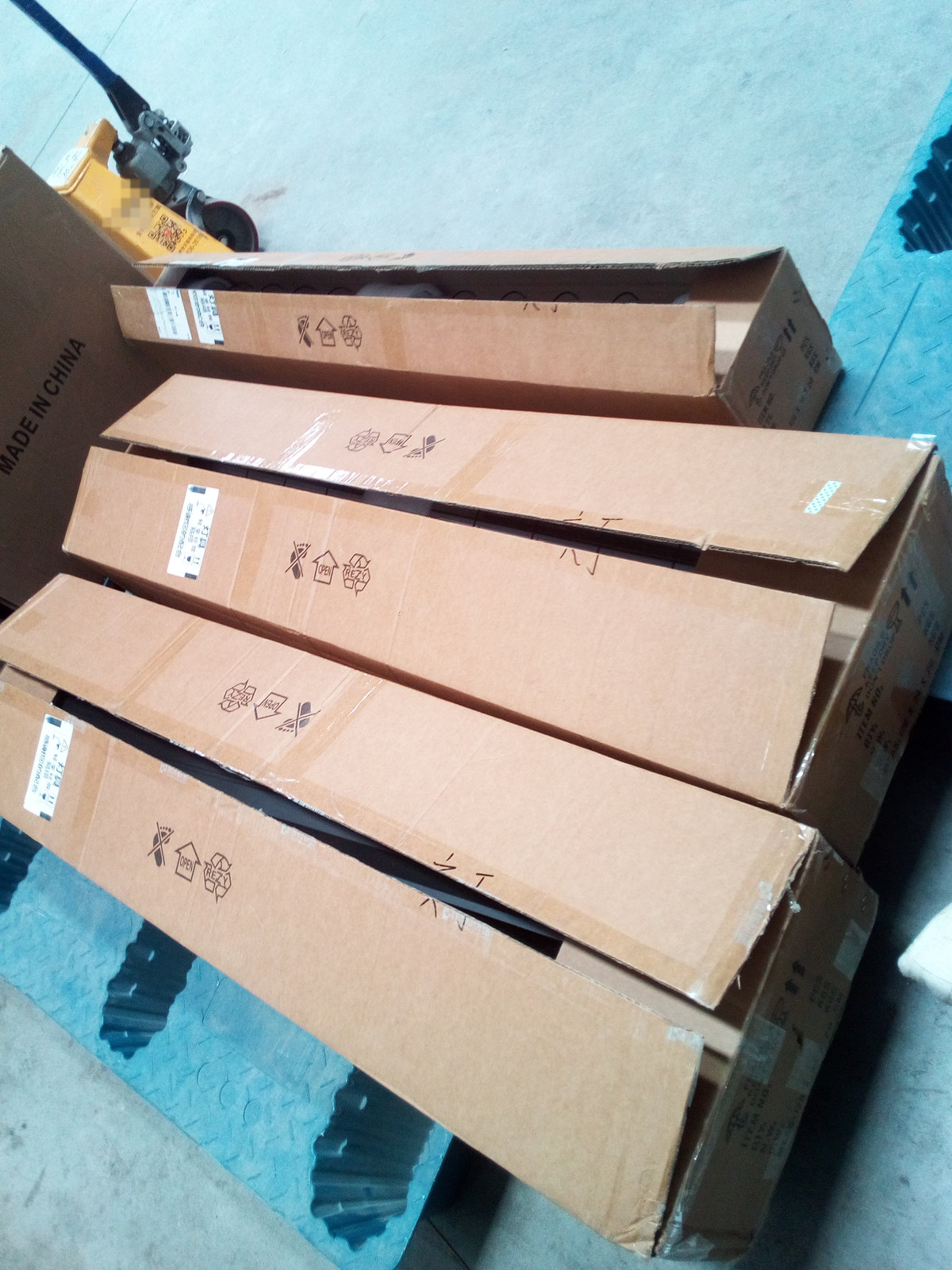
A twelve-piece order for a linear island fixture specified for 110–120 V and warm white — this client's first order under a new product line.
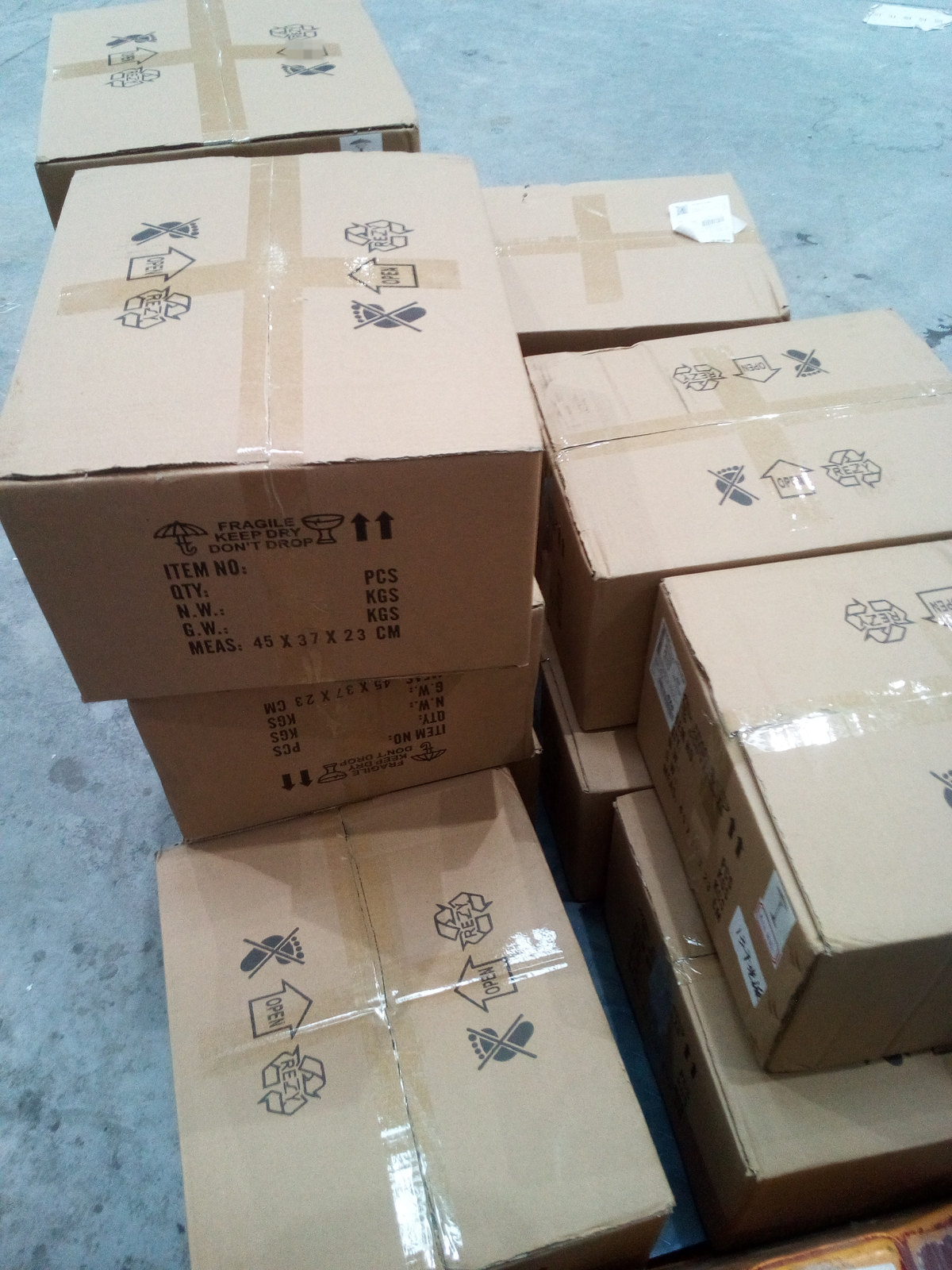
Four table lamp variants in one order — three finishes and two sizes, which turns a simple repeat into a colour-consistency job.
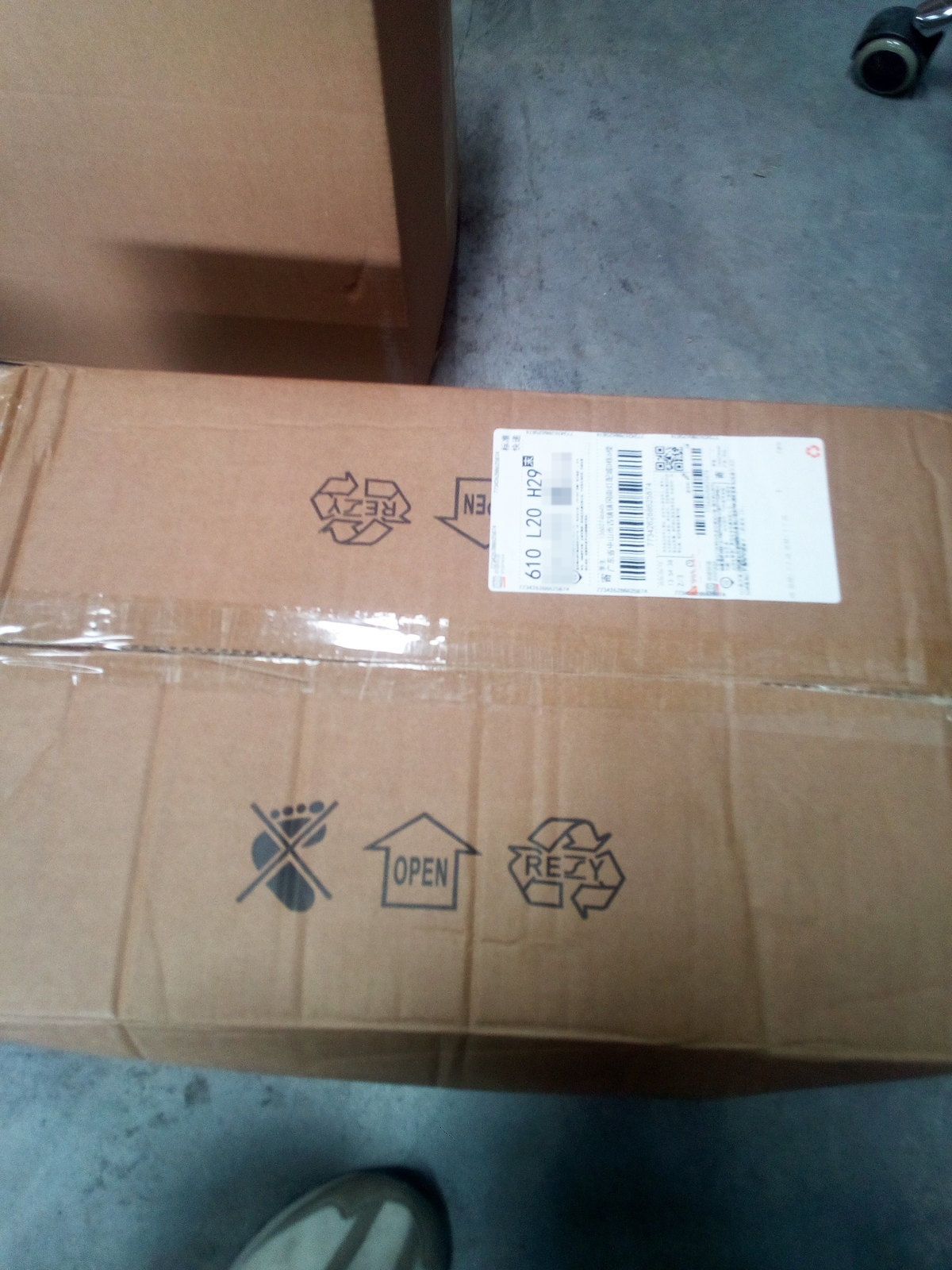
A two-piece order for a floor lamp — the client's first fixture with a weighted base, so stability was the question rather than appearance.
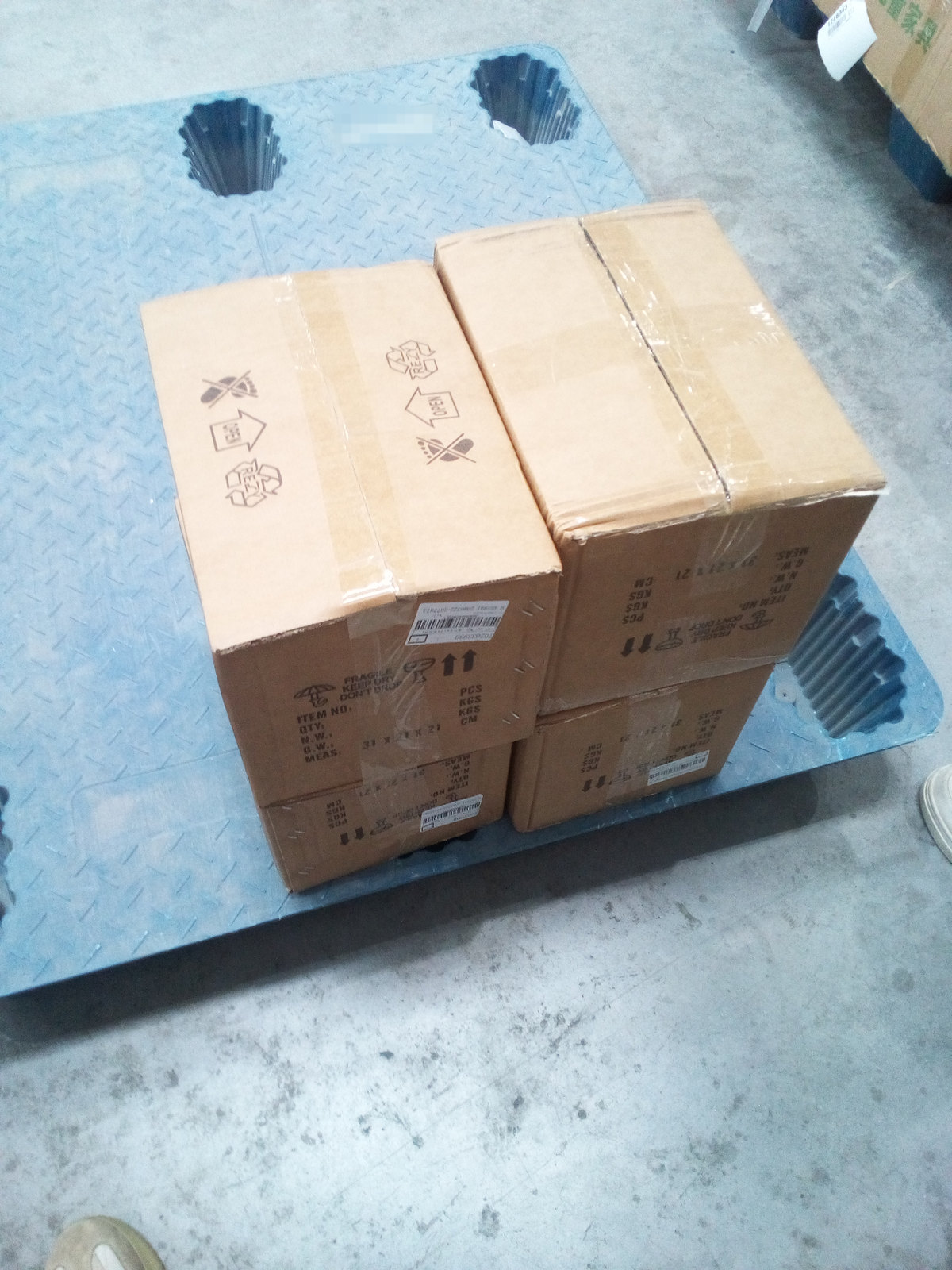
Six wall lights packed two to a carton — the pack ratio matters here because it is what the client's warehouse plans against.
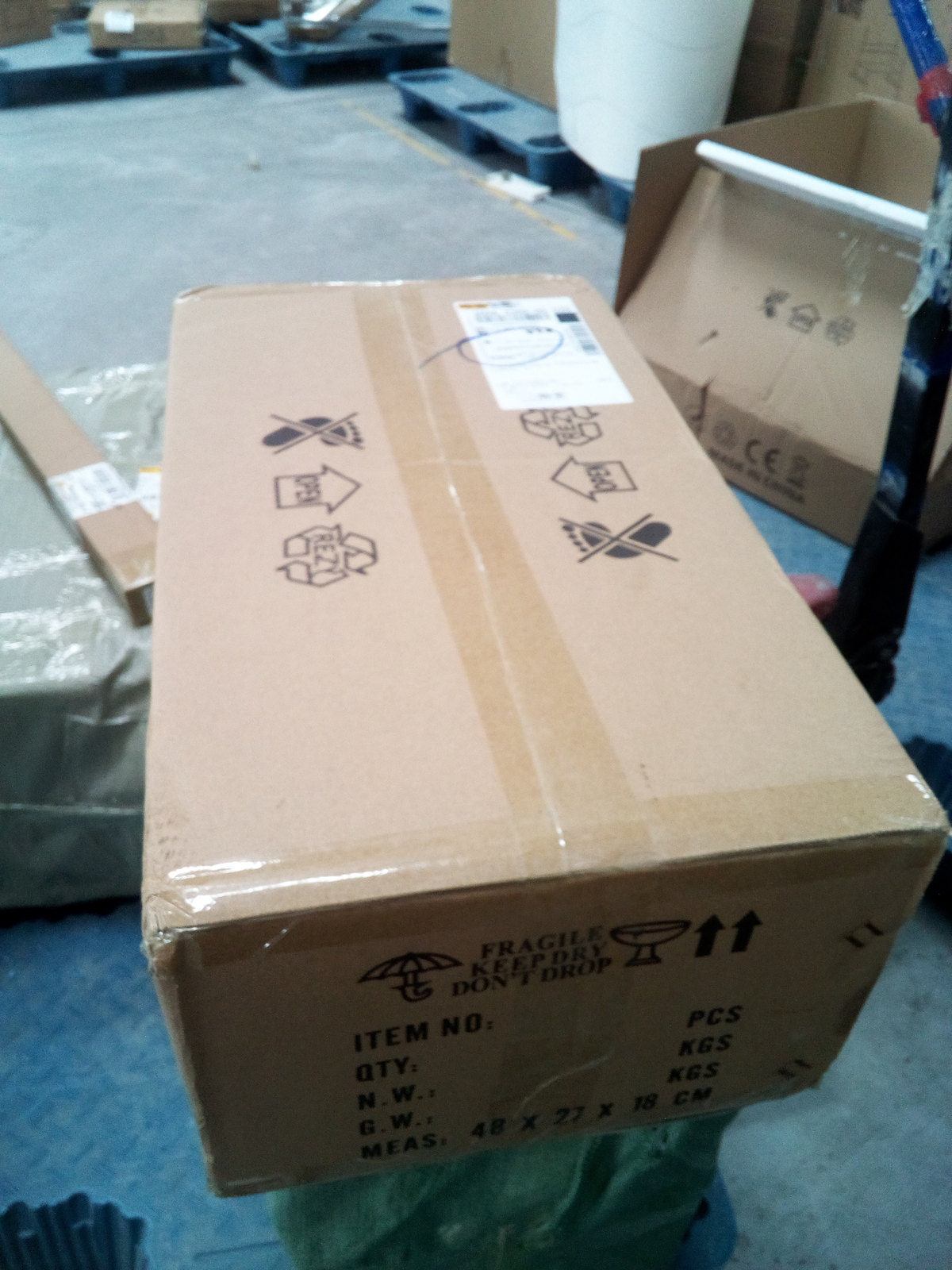
Two vanity lights — a damp-location product, so the gasket and the finish were checked before anything else.
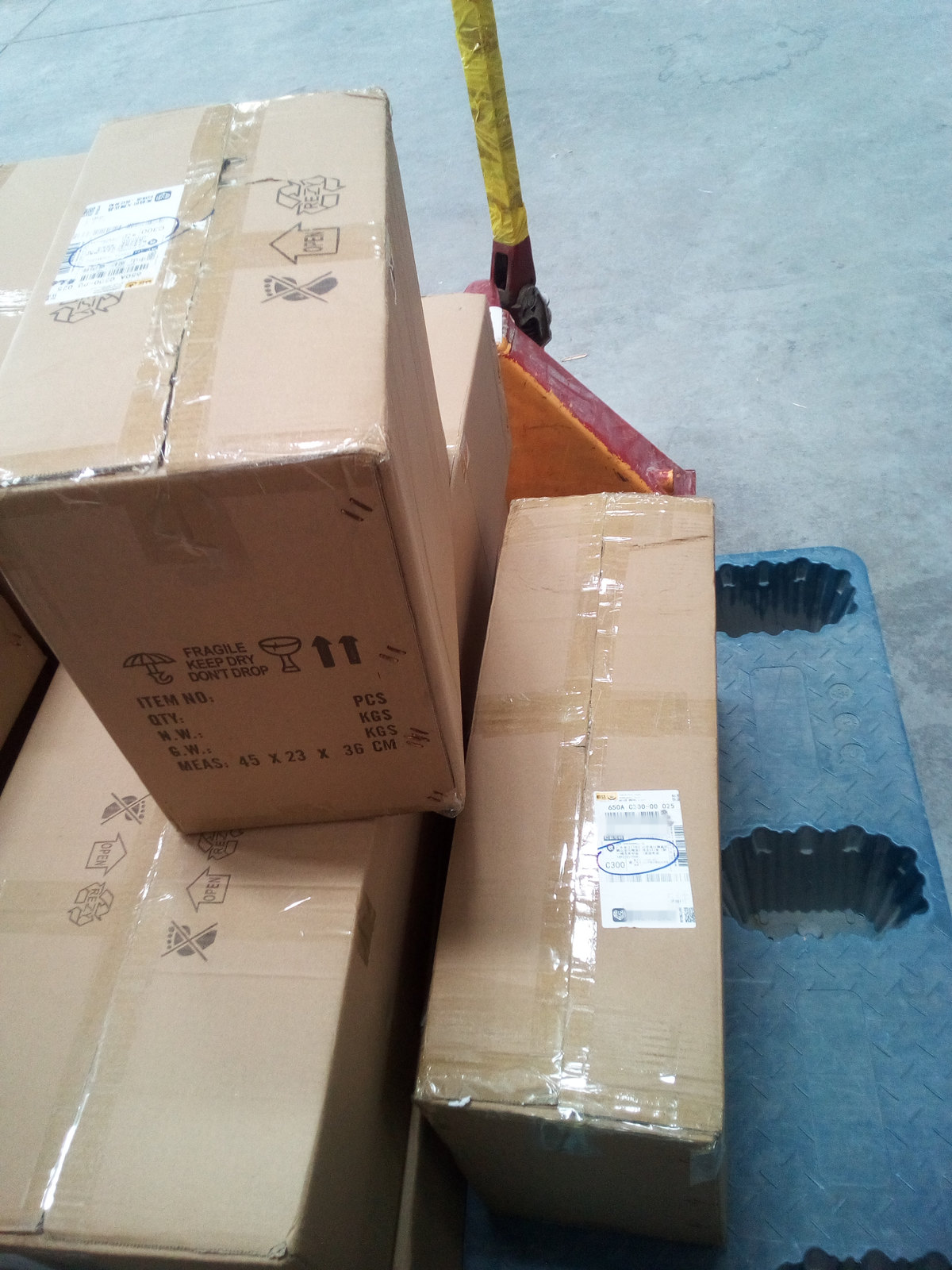
Six solar path lights on trial — outdoor product where the first season decides the reorder, so the gaskets and the cell were checked rather than the look.
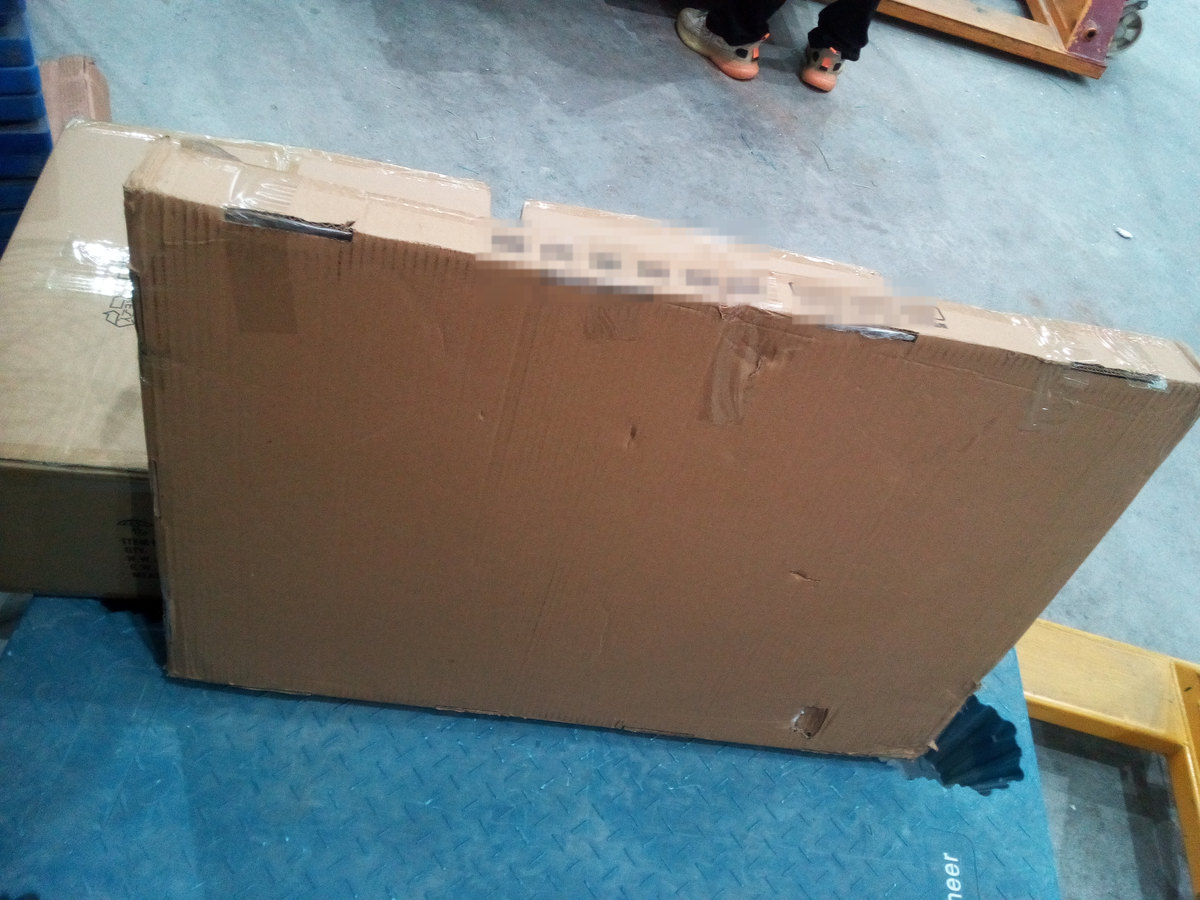
Three flush-mount ceiling lights, ordered small to test a new supplier before a seasonal range.
Twenty-four chandeliers in black with a frosted-glass variant — a mixed order where the suspension and the glass packing were both live risks.
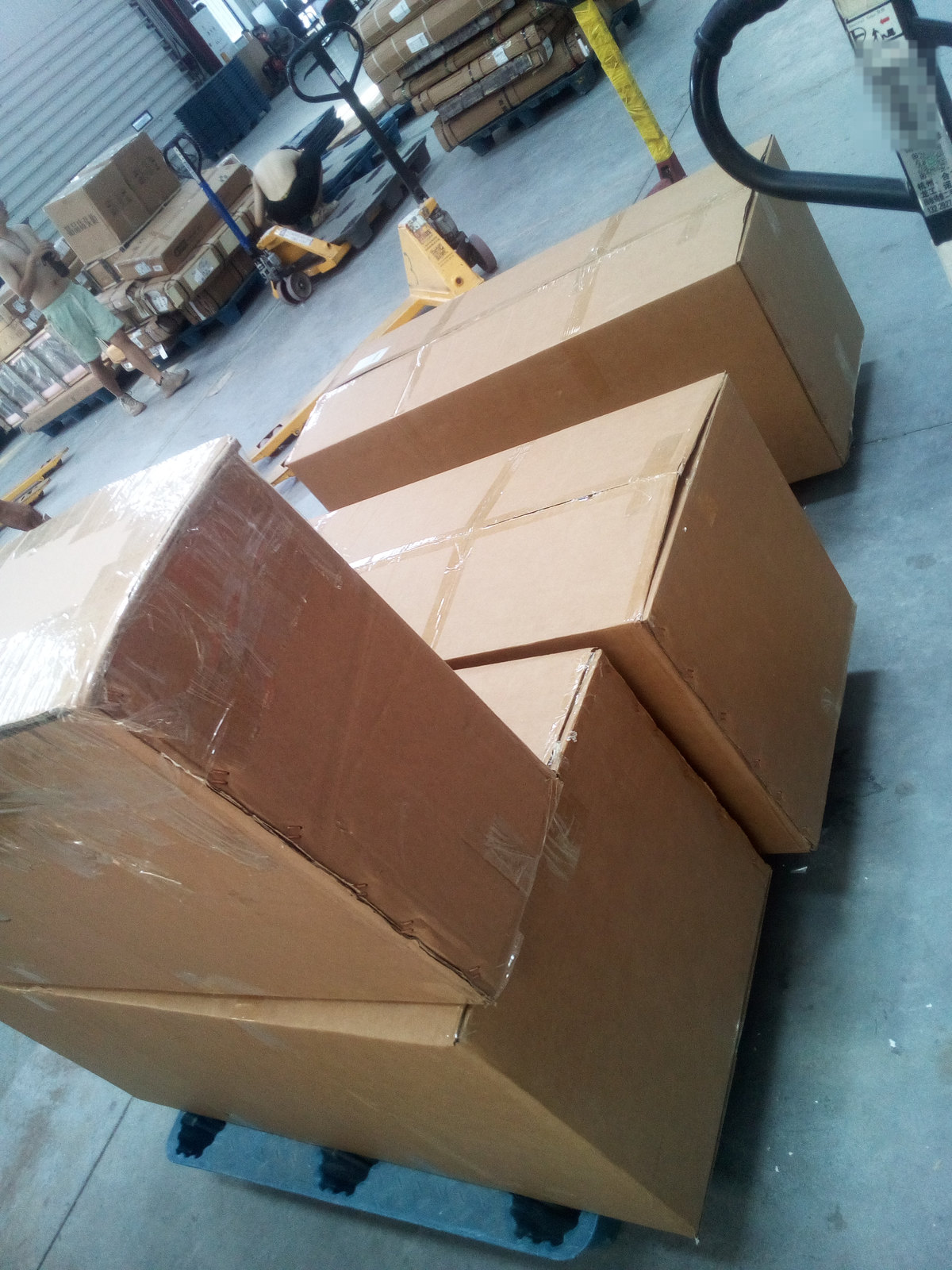
Sixty-four wall sconces — the largest single lighting line in this batch, and the one where the electrical build had to be right on every unit rather than on a sample.
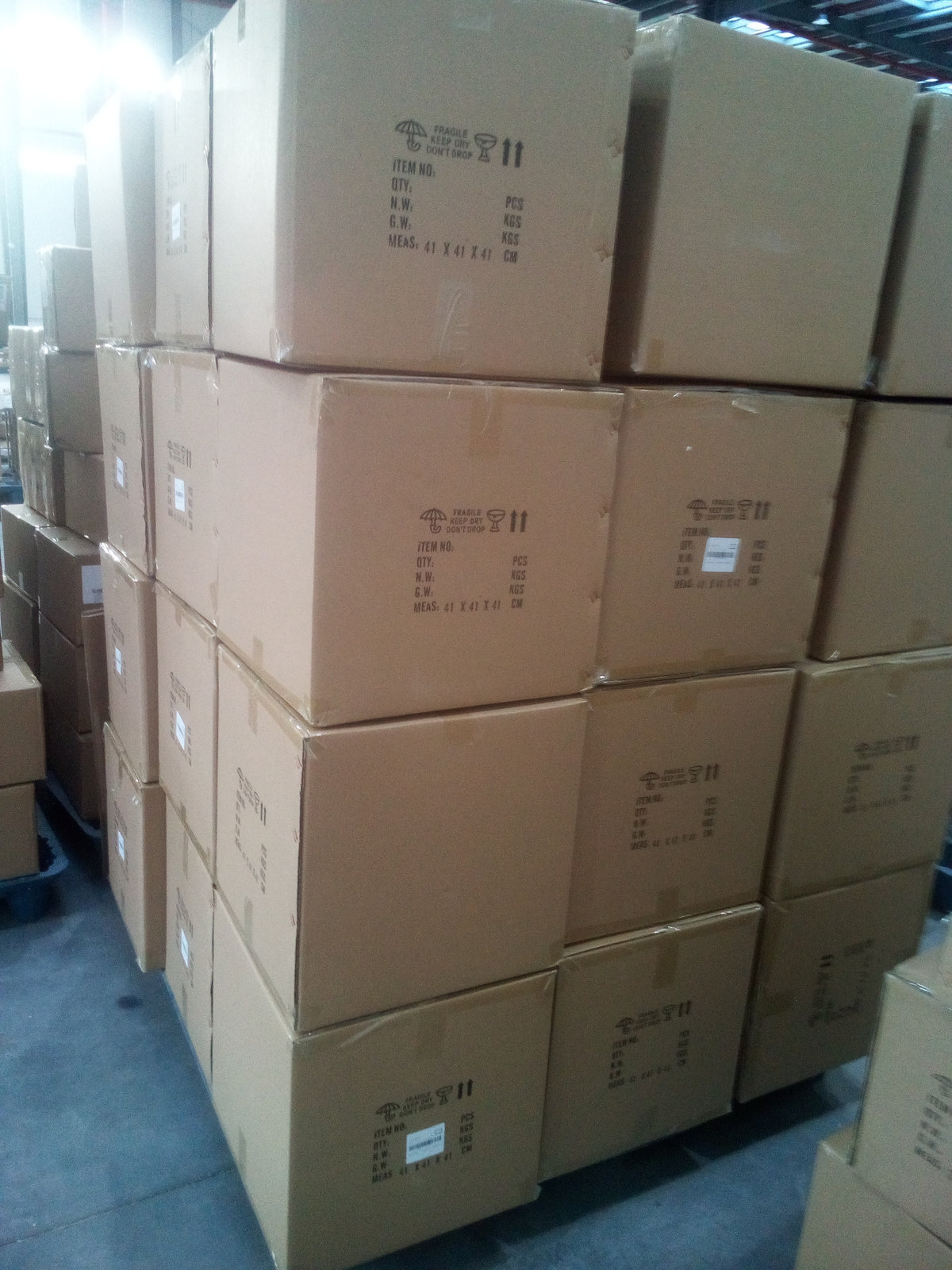
Thirty-six rose-gold ceiling fixtures — a plated finish across a large lot, so colour consistency between units was the check that mattered.
Container loading — 4 loads, 6 photographs
Where the receiving records end: the consolidated load, photographed before the doors close
Receiving decides whether the goods are right; loading decides whether they arrive right. These are four loads from June 2026, shot at night at the consolidation warehouse, with the loading check sheet that runs on every box.
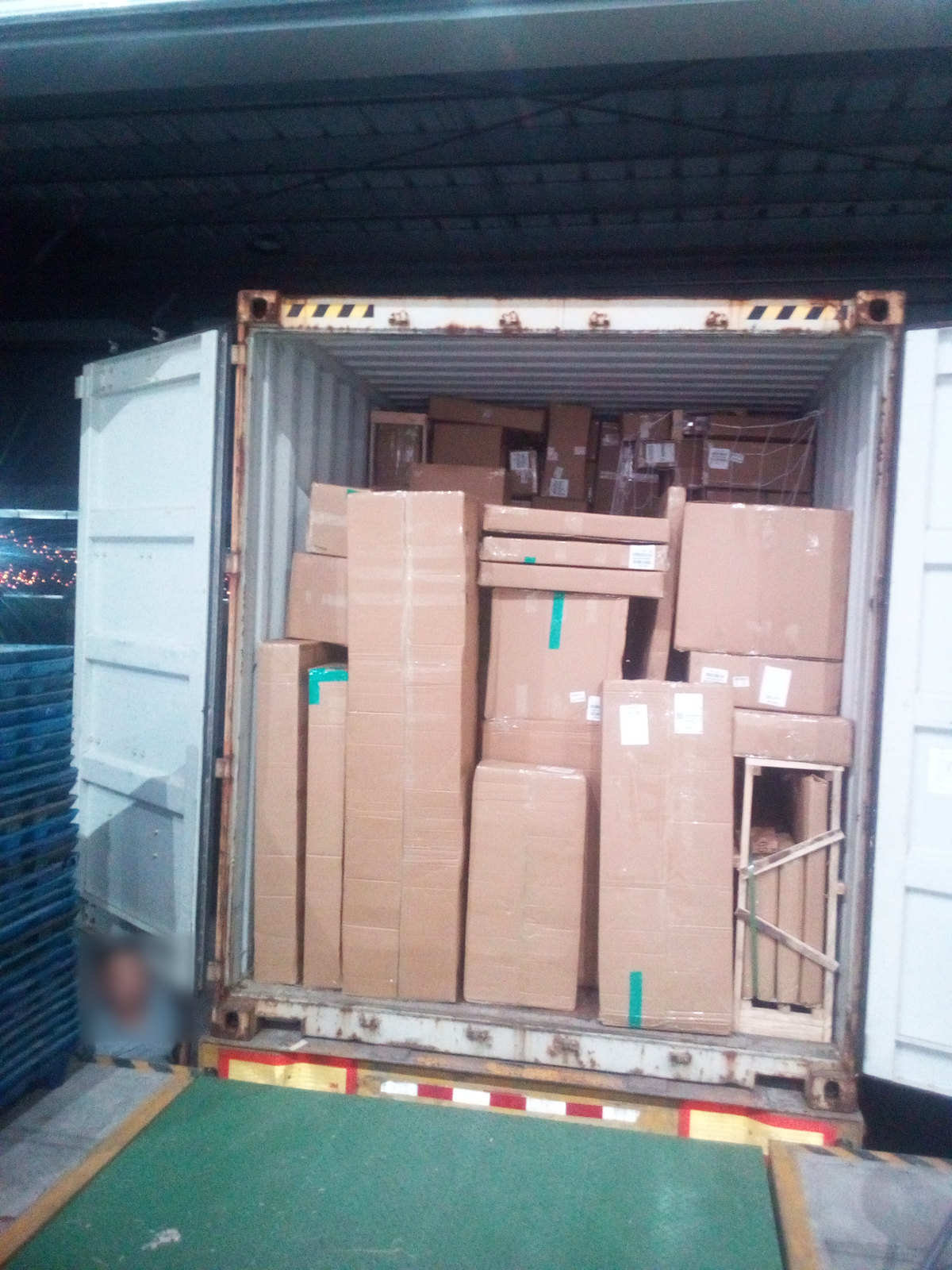
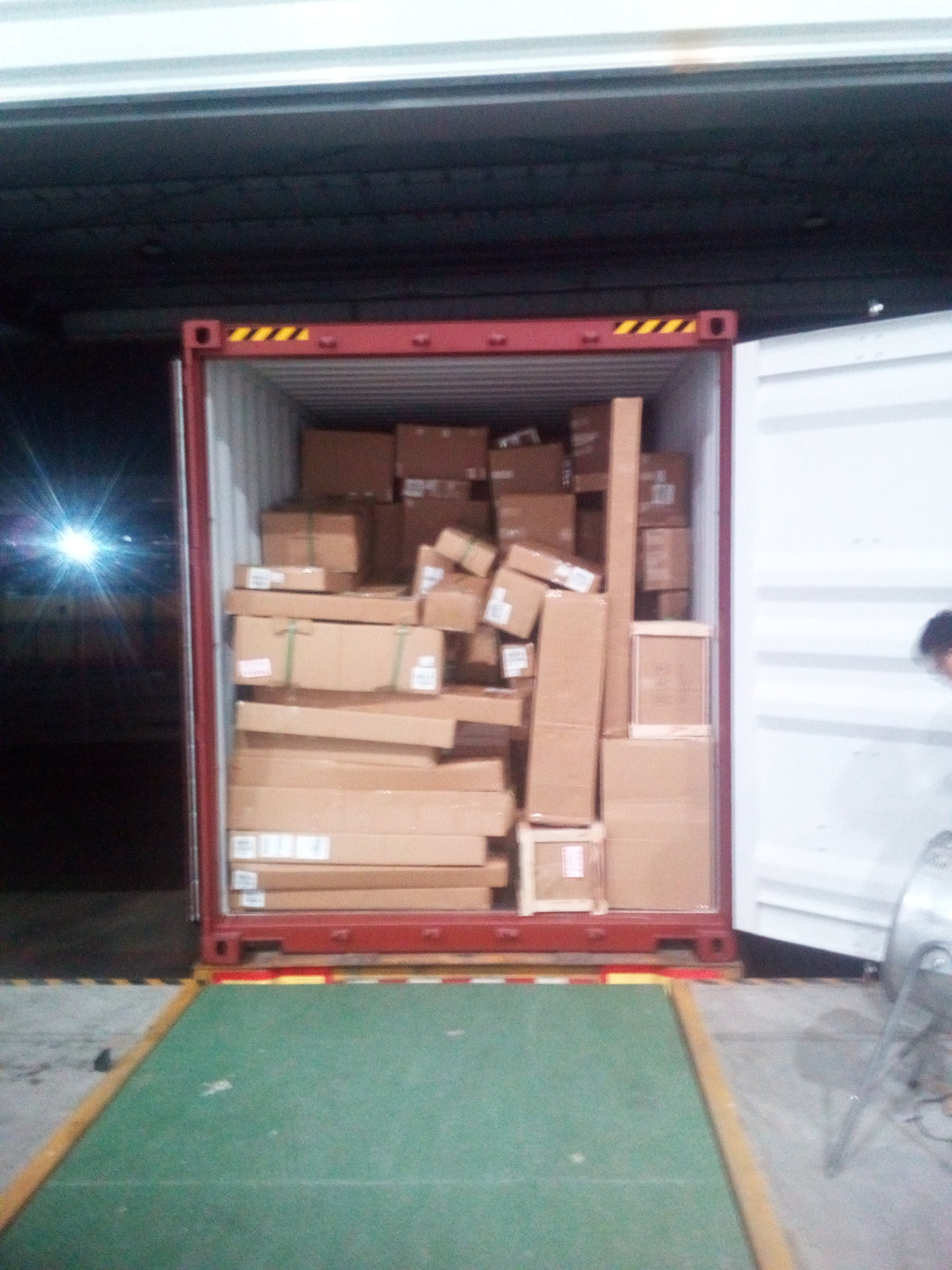
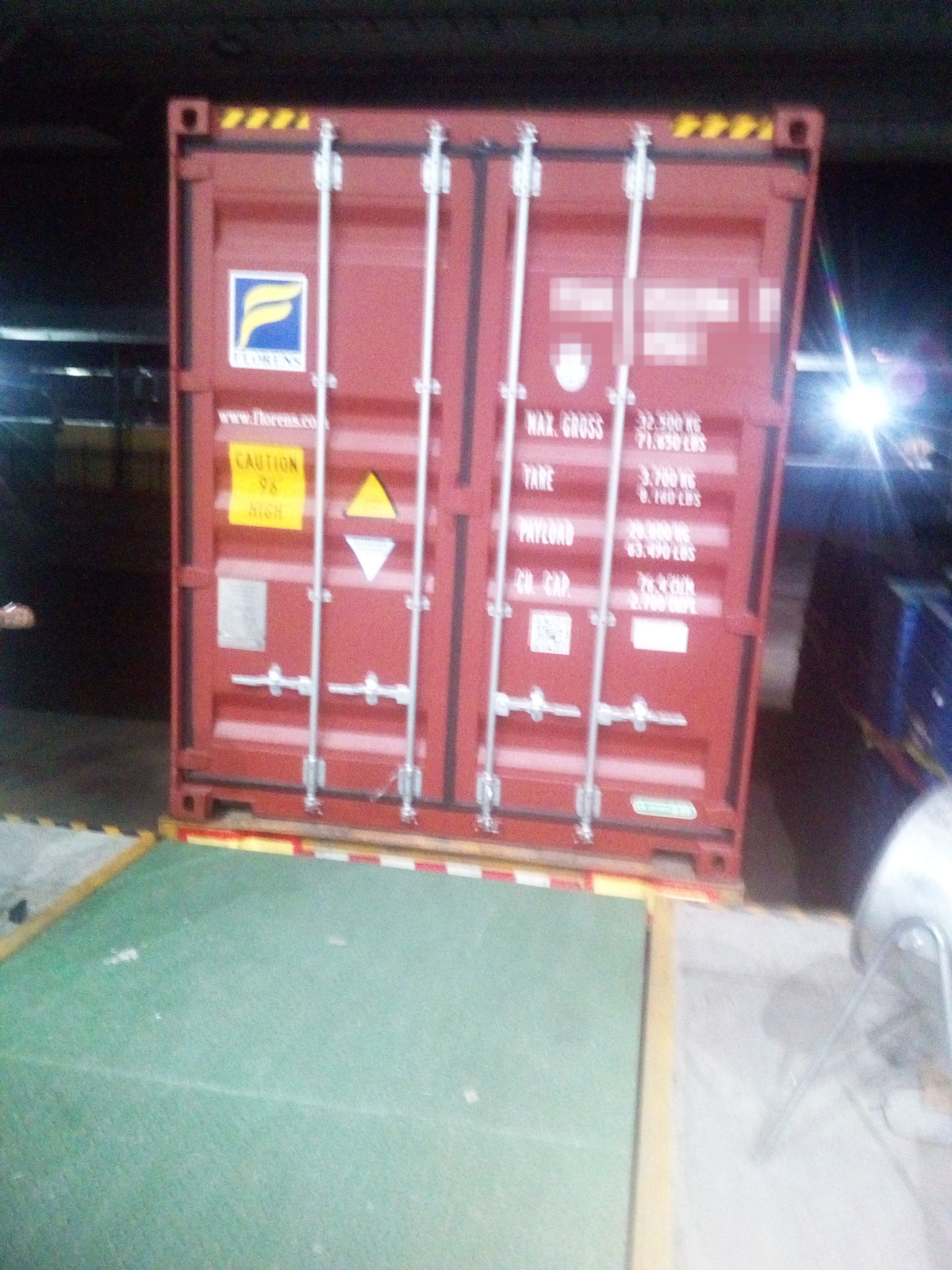
Open the container loading log
Want your own order run like this? Send the product, the quantity and the destination.
Let's Talk See Sample Reports